
Maintaining a radiant smile and optimal oral hygiene involves much more than daily brushing and regular flossing. While external care is critical for removing surface plaque, the true foundation of strong teeth and resilient gums begins from within through proper nutrition. Every single day, the hard outer shell of your teeth undergoes a continuous natural tug-of-war between demineralization and remineralization. Providing your body with the correct dietary building blocks ensures that your saliva remains packed with the necessary minerals to rebuild weakened enamel and defend your periodontal tissues against infection.
The Biological Needs of Your Smile
Your teeth and gums are living structures that require a diverse array of micronutrients to maintain structural integrity and repair daily wear. Enamel, which is the hardest substance in the human body, is composed primarily of calcium phosphate crystals. Because enamel lacks living cells, it cannot repair itself through internal biological processes once it is damaged. Instead, it relies entirely on the surrounding oral environment, specifically your saliva, to absorb minerals and reverse early stages of tooth decay.
Gums and supporting periodontal ligaments require robust nutritional support to maintain cellular turnover, resist bacterial invasion, and prevent chronic inflammatory states like gingivitis. Deficiencies in core vitamins and minerals can leave oral tissues vulnerable to bleeding, swelling, and structural degradation, regardless of how meticulously you brush. Incorporating targeted whole foods into your daily meals supplies the precise chemical components needed to keep your entire oral cavity robust and well-protected.
Essential Nutrients for Tooth Enamel
Rebuilding and protecting tooth enamel requires specific minerals that work in tandem with specialized vitamins to facilitate proper absorption and utilization within the body.
-
Calcium: This primary structural mineral forms the crystal matrix of both teeth and jawbones. Adequate daily intake ensures that your saliva maintains a high mineral concentration for enamel remineralization.
-
Phosphorus: Working closely alongside calcium, phosphorus acts as a vital partner in fortifying tooth structure and balancing the overall acid-base environment of the mouth.
-
Vitamin D: This fat-soluble vitamin functions as a critical regulatory gatekeeper, signaling the digestive tract to efficiently absorb dietary calcium and transport it to your bones and teeth.
-
Fluoride: While largely recognized for its topical benefits, dietary sources of natural fluoride help integrate directly into developing tooth structures to increase resistance against bacterial acids.
Top Foods to Strengthen Teeth
Building a resilient smile does not require complicated supplements. Everyday whole foods provide a dense concentration of the exact minerals your teeth need to stay hard and durable.
Dairy Products
Milk, cheese, and plain yogurt are among the most potent dental allies available. Cheese is particularly beneficial because it is exceptionally high in calcium and casein, a specialized protein that fortifies tooth enamel. Furthermore, chewing cheese stimulates a heavy flow of saliva and raises the pH level inside the mouth, effectively neutralizing harmful acids that cause decay. Yogurt also delivers valuable probiotics that help suppress harmful bacterial strains and promote a balanced oral microbiome.
Crunchy Fruits and Vegetables
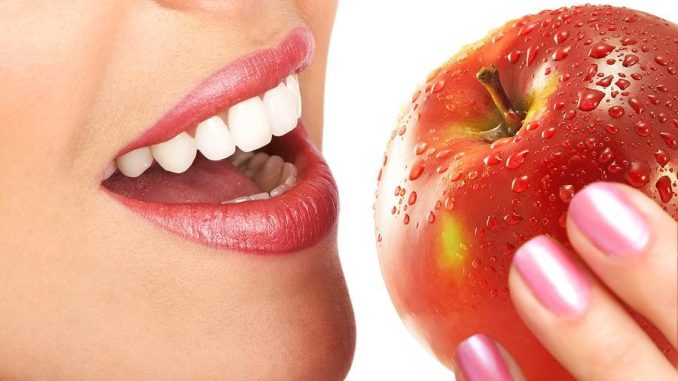
Apples, carrots, celery, and cucumbers serve as natural mechanical cleaners for your teeth. Their fibrous textures require extensive chewing, which stimulates copious amounts of saliva production. This increased saliva acts as your mouth’s natural rinsing mechanism, washing away stray food particles and neutralizing acids. Additionally, these crisp plant foods supply essential vitamins like vitamin A and vitamin C, which support tissue health and repair.
Nuts and Seeds
Almonds, walnuts, sesame seeds, and chia seeds are nutritional powerhouses loaded with calcium, magnesium, and phosphorus. Magnesium plays a vital role by helping your body properly bind calcium to your tooth structure rather than letting it settle elsewhere. The mechanical action of chewing dense nuts also provides a healthy stimulation to the gums and jawbone, while their healthy fats help reduce localized inflammation.
Protecting and Nourishing Your Gums
Strong teeth mean very little if the supporting gums fail to hold them securely in place. Periodontal health relies heavily on specific nutrients that combat inflammation and promote collagen synthesis.
-
Vitamin C: This powerful antioxidant is mandatory for the production of collagen, the structural protein that gives your gums their firm, resilient texture. A deficiency in vitamin C can lead to fragile, bleeding gums that are highly susceptible to periodontal disease.
-
Omega-3 Fatty Acids: Found in abundance in fatty fish like salmon, sardines, and mackerel, these healthy fats possess potent anti-inflammatory properties that help protect gum tissue from chronic inflammation and infection.
-
Antioxidants and Polyphenols: Compounds found in unsweetened green tea help suppress the growth of specific bacteria linked to periodontal disease and reduce overall tissue irritation in the mouth.
Dietary Habits That Undermine Oral Health
Even the most nutrient-dense diet can be compromised if you regularly consume foods and beverages that actively damage oral structures. Limiting certain items is just as important as adding beneficial ones.
-
Sticky Sugars: Candies, dried fruits, and gummy snacks cling tenaciously to the crevices of teeth, providing a prolonged fuel source for cavity-causing bacteria.
-
Acidic Beverages: Sodas, sports drinks, and citrus juices bathe the teeth in harsh acids that rapidly soften and erode enamel, leaving teeth vulnerable to sensitivity and decay.
-
Refined Starches: Highly processed white breads, crackers, and chips easily break down into simple sugars that pack tightly between teeth, creating an ideal breeding ground for plaque.
Frequently Asked Questions
Can eating certain foods help reverse early tooth decay?
Yes, consuming mineral-rich foods containing calcium, phosphorus, and vitamin D supports the natural remineralization process, which can successfully reverse microscopic early enamel demineralization before a physical cavity forms.
Does drinking water with meals truly protect dental health?
Drinking water helps rinse away lingering food particles, dilutes dietary acids left behind by meals, and maintains the high saliva flow necessary for continuous natural oral cleansing.
Are citrus fruits bad for teeth despite containing vitamin C?
While citrus fruits offer high amounts of vitamin C for gum health, their high acidity can erode enamel if consumed in excess. Enjoying them as part of a meal and rinsing your mouth with plain water afterward helps mitigate this risk.
Why is saliva considered the ultimate defense for teeth?
Saliva contains vital minerals, antimicrobial enzymes, and natural buffers that constantly neutralize mouth acids, wash away debris, and physically protect soft and hard oral tissues from damage.
Can chewing sugar-free gum substitute for brushing?
Chewing sugar-free gum stimulates saliva flow and helps clear loose food particles after eating, but it cannot physically remove sticky dental plaque or replace the mechanical cleaning action of a toothbrush and floss.
Do plant-based milk alternatives offer the same dental benefits as dairy?
Fortified plant-based milks can provide comparable levels of calcium and vitamin D, but you should always check nutrition labels to ensure they are unsweetened, as many commercial alternatives contain added sugars that promote tooth decay.
How does chronic systemic inflammation impact gum tissue?
Systemic inflammation throughout the body makes periodontal tissues more reactive and prone to breakdown, increasing the severity of gum bleeding, tissue recession, and eventual tooth mobility.