
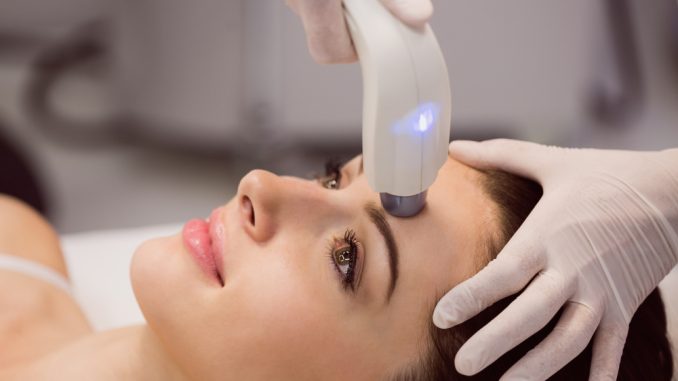
The field of dermatology and aesthetic medicine has undergone a radical transformation over the past two decades, largely driven by advancements in laser technology. Once considered a niche area of medicine reserved for severe scar revision, laser therapy has become a cornerstone of modern skin health and cosmetic enhancement. By utilizing targeted light energy, clinicians can now address a vast spectrum of concerns, ranging from pigment irregularities and vascular lesions to textural inconsistencies and signs of premature aging. Understanding the versatility and precision of these tools is essential for anyone considering modern dermatological intervention.
The Scientific Basis of Laser Therapy
At its core, dermatological laser therapy operates on the principle of selective photothermolysis. This process involves using a specific wavelength of light that is precisely absorbed by a target chromophore within the skin, such as melanin, hemoglobin, or water. When the light energy is absorbed by the target, it converts into heat, which selectively damages the unwanted tissue while leaving surrounding healthy structures largely unaffected.
Modern devices offer an unprecedented level of customization. Dermatologists can adjust variables such as wavelength, pulse duration, and spot size to tailor treatments to an individual patient’s skin type, the depth of the target, and the desired clinical outcome. This level of precision minimizes collateral damage and significantly reduces recovery times compared to the more invasive surgical procedures of the past.
Common Applications and Modalities
The diverse array of laser platforms allows for the treatment of numerous skin conditions. Each modality serves a specific purpose, and many practitioners utilize a combination of technologies to achieve comprehensive results.
-
Ablative Lasers: These lasers, such as carbon dioxide or erbium lasers, work by removing the outer layers of the skin. They are highly effective for resurfacing, treating deep wrinkles, and removing stubborn acne scars. Because they trigger a significant wound-healing response, they produce dramatic results but require more extensive downtime.
-
Non-Ablative Lasers: These devices penetrate the skin to heat the underlying dermis without damaging the surface layer. They are ideal for patients seeking improvements in skin tone, fine lines, and collagen production with minimal recovery time.
-
Vascular Lasers: Specifically designed to target hemoglobin, these lasers effectively treat conditions like rosacea, spider veins, and broken capillaries by sealing off the damaged blood vessels.
-
Pigment-Targeting Lasers: These platforms focus on melanin, making them the standard of care for addressing sun spots, melasma, and certain types of birthmarks.
-
Hair Removal Lasers: These systems target the melanin in the hair follicle, heating the root to inhibit future growth. Advances in this technology now allow for safe and effective treatment across a wider variety of skin tones than ever before.
The Rise of Fractional Technology
One of the most significant breakthroughs in aesthetic medicine is the development of fractional laser technology. Traditional resurfacing lasers treated the entire surface area of the skin, which carried a higher risk of complications and necessitated longer healing periods. Fractional lasers, by contrast, deliver the light energy in a grid-like pattern, creating thousands of microscopic treatment zones while leaving the surrounding tissue intact.
This approach creates a reservoir of healthy skin that promotes rapid healing and stimulates robust collagen production. Patients can achieve significant rejuvenation, improved texture, and scar reduction with a fraction of the downtime associated with older full-field ablative lasers. This technology has made aggressive skin rejuvenation accessible to a much broader patient population who cannot afford the recovery time once required for such dramatic transformations.
Essential Considerations for Patient Safety
While laser treatments offer impressive results, they remain medical procedures that carry inherent risks, particularly when performed by untrained individuals. The safety and efficacy of any laser intervention are entirely dependent on the skill and diagnostic accuracy of the practitioner.
It is critical for patients to undergo a thorough consultation before proceeding with any treatment. A qualified dermatologist will assess the patient’s skin type according to established scales, identify underlying conditions that might complicate healing, and determine if laser therapy is the appropriate course of action. Certain medications, history of keloid formation, or active infections can be contraindications for specific procedures.
Furthermore, post-procedure care is just as important as the treatment itself. Laser-treated skin is temporarily compromised and highly sensitive to external stimuli. Adhering strictly to provider-recommended protocols—such as avoiding sun exposure, using medical-grade moisturizers, and practicing diligent sun protection—is non-negotiable for preventing complications like post-inflammatory hyperpigmentation or scarring.
The Future of Photobiomodulation
Beyond traditional ablation and heat-based therapies, the future of dermatological light treatments is trending toward photobiomodulation. This field explores the use of low-level light therapy to influence cellular activity at a molecular level. Unlike high-energy lasers that destroy tissue to trigger repair, low-level light aims to stimulate mitochondrial activity, accelerate wound healing, and reduce inflammation. As research continues to refine these wavelengths, the field is expected to move toward more frequent, lower-intensity treatments that maintain skin health over the long term, rather than relying exclusively on periodic corrective procedures.
Integrating Laser Treatments into a Skincare Strategy
Patients often view laser treatments as a one-time fix, but they are most effective when integrated into a long-term strategy for skin maintenance. A high-quality topical skincare regimen—incorporating broad-spectrum sunscreen, retinoids, and antioxidants—is essential to protect the investment made in laser procedures. When combined with consistent office-based treatments, this balanced approach ensures that the improvements gained in the clinic are preserved and enhanced, leading to consistent, healthy skin aging over the course of decades.
Frequently Asked Questions
Can all skin tones be treated with lasers?
Advancements in technology have expanded the range of skin tones that can be safely treated. However, certain lasers are safer than others for darker skin. It is crucial to consult with a board-certified dermatologist who possesses a variety of devices to ensure the correct wavelength is chosen to prevent hyperpigmentation or burns.
Do laser treatments hurt?
Sensations vary by device and area of treatment. Most patients describe a sensation similar to the snap of a rubber band. Providers typically use topical numbing creams, cooling devices, or integrated chilled air to maximize comfort during the procedure.
Are the results of laser skin resurfacing permanent?
Laser treatments provide long-lasting improvements, but they do not stop the aging process. Factors such as sun exposure, lifestyle choices, and genetics will continue to affect the skin over time. Follow-up maintenance treatments are often recommended to sustain the desired appearance.
What is the difference between IPL and a true laser?
Intense Pulsed Light (IPL) uses a broad spectrum of light with many wavelengths, whereas lasers use a single, highly focused wavelength. IPL is generally used for broad surface issues like general redness and sun damage, while lasers offer more precise, targeted results for specific conditions.
Can I have laser treatment if I have active acne?
Treating active, inflammatory acne with laser therapy requires caution. While some light therapies can help reduce bacterial counts, aggressive resurfacing should usually be avoided until the acne is stabilized to prevent worsening inflammation or scarring.
How often should I schedule maintenance laser treatments?
Maintenance intervals depend entirely on the specific treatment and your skin goals. Some patients benefit from quarterly sessions for collagen maintenance, while others may only need annual touch-ups for pigment control. Your dermatologist will create a personalized schedule based on your skin health.
Is there a specific time of year that is best for laser treatments?
Historically, winter was preferred because of lower UV exposure. However, with modern sun protection practices, most laser treatments can be performed year-round. The primary requirement is that the patient must be able to strictly avoid sun exposure and use high-quality sunscreen during the healing phase.