
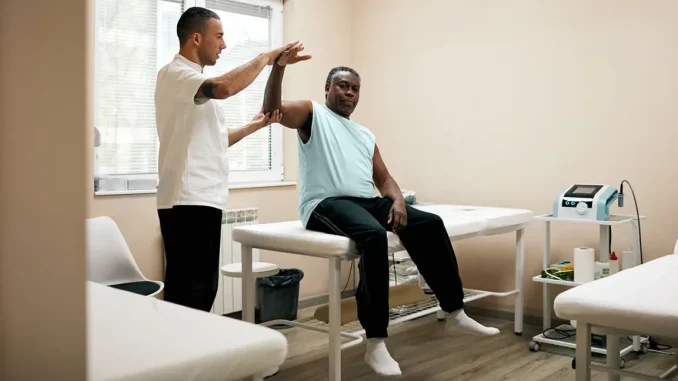
Treatment refers to the planned actions taken to manage, cure, or relieve the symptoms of a health condition. It can range from simple lifestyle adjustments to complex medical procedures, depending on the nature and severity of the illness. Effective treatment is always patient-centered, evidence-based, and tailored to individual needs.
Understanding the Purpose of Treatment
The primary goals of treatment are to:
-
Cure the disease when possible
-
Control or slow disease progression
-
Relieve symptoms and reduce discomfort
-
Prevent complications or recurrence
-
Improve quality of life
Not all conditions can be cured, but most can be managed successfully with the right approach.
Types of Treatment Approaches
Medical Treatment
Medical treatment involves the use of medications to address diseases or symptoms.
-
Prescription drugs
-
Over-the-counter medicines
-
Vaccinations
-
Hormone or biologic therapies
Medications are chosen based on diagnosis, age, medical history, and potential side effects.
Surgical Treatment
Surgery is used when physical intervention is necessary to:
-
Remove diseased tissue
-
Repair injuries
-
Correct structural abnormalities
-
Diagnose conditions through biopsy
Advances in minimally invasive techniques have reduced recovery time and risks.
Physical and Rehabilitation Therapy
These treatments focus on restoring movement, strength, and function.
-
Physical therapy
-
Occupational therapy
-
Speech and language therapy
They are commonly used after injuries, surgeries, or neurological conditions.
Psychological and Behavioral Therapy
Mental and emotional well-being is a critical part of overall health.
-
Cognitive behavioral therapy
-
Counseling and psychotherapy
-
Stress and trauma management
These treatments help individuals cope with mental health conditions and life challenges.
Lifestyle and Supportive Treatment
Often used alongside medical care, lifestyle-based treatments include:
-
Nutrition and dietary changes
-
Exercise and physical activity
-
Sleep improvement strategies
-
Stress reduction techniques
Small, consistent changes can significantly enhance treatment outcomes.
How Treatment Plans Are Developed
An effective treatment plan is created through:
-
Accurate diagnosis
-
Review of medical history
-
Patient preferences and values
-
Risk–benefit analysis of options
-
Ongoing monitoring and adjustment
Shared decision-making between healthcare providers and patients leads to better adherence and results.
Importance of Early and Consistent Treatment
Starting treatment early often:
-
Increases success rates
-
Reduces long-term complications
-
Lowers healthcare costs
-
Improves recovery time
Consistency is equally important, as incomplete or irregular treatment can reduce effectiveness.
Risks and Considerations in Treatment
Every treatment carries potential risks. Common considerations include:
-
Side effects or adverse reactions
-
Drug interactions
-
Recovery time
-
Financial cost
-
Impact on daily life
Open communication with healthcare professionals helps minimize risks and ensures safer care.
The Role of Follow-Up and Monitoring
Treatment does not end once therapy begins. Regular follow-up allows for:
-
Measuring progress
-
Adjusting dosages or methods
-
Identifying side effects early
-
Preventing relapse
Long-term monitoring is especially important for chronic conditions.
FAQs About Treatment
What is the difference between treatment and cure?
A cure eliminates the disease completely, while treatment may manage symptoms or control the condition without fully eradicating it.
Can one condition require multiple types of treatment?
Yes, many conditions benefit from a combination of medical, lifestyle, and therapeutic approaches.
How long does treatment usually last?
Treatment duration varies widely, from short-term courses to lifelong management, depending on the condition.
Is treatment always necessary for mild conditions?
Some mild conditions may resolve on their own, but medical advice is important to avoid complications.
Can treatments change over time?
Yes, treatments are often adjusted based on response, side effects, or new medical evidence.
How important is patient involvement in treatment decisions?
Active patient involvement improves adherence, satisfaction, and overall outcomes.
What should I do if a treatment is not working?
Consult a healthcare professional promptly to reassess the diagnosis or modify the treatment plan.