
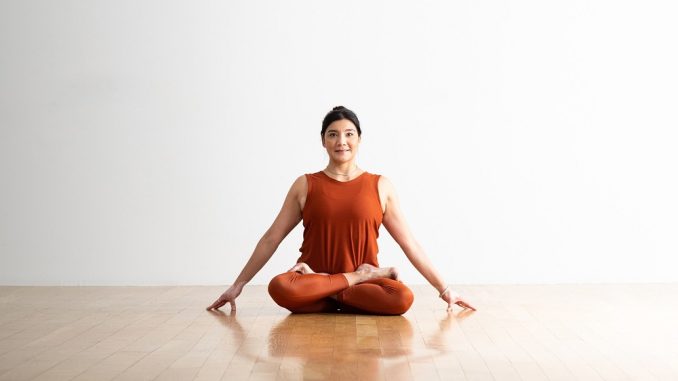
Yoga is more than a form of exercise—it is a holistic discipline that integrates physical movement, controlled breathing, and mindful awareness. Practiced for thousands of years, yoga continues to evolve while preserving its core purpose: cultivating harmony between the body and the mind.
What Is Yoga?
Yoga is an ancient practice that originated in India and focuses on union—the connection between physical health, mental clarity, and inner calm. It combines:
-
Postures (Asanas) to build strength and flexibility
-
Breathing techniques (Pranayama) to regulate energy and focus
-
Meditation and mindfulness to support emotional balance
Unlike conventional workouts, yoga emphasizes how you move and breathe, not just the outcome.
The Core Elements of Yoga Practice
Physical Postures (Asanas)
Yoga postures are designed to strengthen muscles, improve posture, and enhance flexibility. Regular practice can help with:
-
Joint mobility
-
Muscle tone and balance
-
Spinal alignment
Each pose encourages awareness and controlled movement rather than force.
Breath Control (Pranayama)
Breathing is central to yoga. Conscious breathing techniques help:
-
Calm the nervous system
-
Improve lung capacity
-
Enhance concentration
Slow, rhythmic breathing also supports stress reduction and emotional regulation.
Mindfulness and Meditation
Yoga trains the mind to remain present. Meditation practices included in yoga help develop:
-
Mental clarity
-
Emotional resilience
-
A deeper sense of self-awareness
This mental aspect is what sets yoga apart from purely physical activities.
Popular Styles of Yoga
Different yoga styles cater to different goals and lifestyles. Some of the most practiced forms include:
-
Hatha Yoga – Gentle and foundational, ideal for beginners
-
Vinyasa Yoga – Dynamic flow synchronized with breath
-
Ashtanga Yoga – Structured and physically demanding
-
Yin Yoga – Slow-paced, focusing on deep connective tissues
-
Restorative Yoga – Deep relaxation and recovery
Choosing the right style depends on your energy level, fitness goals, and personal preference.
Health Benefits of Yoga
Yoga supports both physical and mental well-being when practiced consistently.
Physical benefits include:
-
Increased flexibility and strength
-
Improved balance and coordination
-
Better digestion and circulation
Mental and emotional benefits include:
-
Reduced stress and anxiety
-
Improved sleep quality
-
Enhanced focus and emotional stability
Over time, yoga can positively influence daily habits and overall lifestyle choices.
Yoga as a Lifestyle Practice
Yoga extends beyond the mat. Many practitioners adopt yoga principles such as self-discipline, mindful eating, and compassion in daily life. This broader application helps cultivate long-term wellness rather than short-term results.
Consistency matters more than intensity. Even short daily sessions can create meaningful change when practiced with intention.
Getting Started With Yoga
Beginning yoga does not require advanced flexibility or special equipment. To start:
-
Choose a quiet, comfortable space
-
Wear breathable, flexible clothing
-
Use a yoga mat for stability
-
Begin with short sessions and simple poses
Listening to your body and progressing gradually is key to a safe and sustainable practice.
Frequently Asked Questions (FAQs)
1. Can yoga help with stress management?
Yes, yoga activates relaxation responses through breathing and mindfulness, which can significantly reduce stress levels.
2. Is yoga suitable for older adults?
Absolutely. Gentle styles and modified poses make yoga accessible and beneficial for all age groups.
3. How often should yoga be practiced for results?
Practicing 3–5 times per week can lead to noticeable physical and mental improvements, though even daily short sessions are helpful.
4. Do I need to be flexible to start yoga?
No. Flexibility develops over time through consistent practice.
5. Can yoga complement other forms of exercise?
Yes, yoga enhances recovery, mobility, and balance, making it an excellent complement to strength or cardio training.
6. Is yoga a religious practice?
Yoga is a spiritual discipline for some, but it can be practiced purely as a physical and mental wellness activity without religious involvement.
7. What is the best time of day to practice yoga?
Morning promotes energy and focus, while evening sessions support relaxation. The best time is when you can practice consistently.