
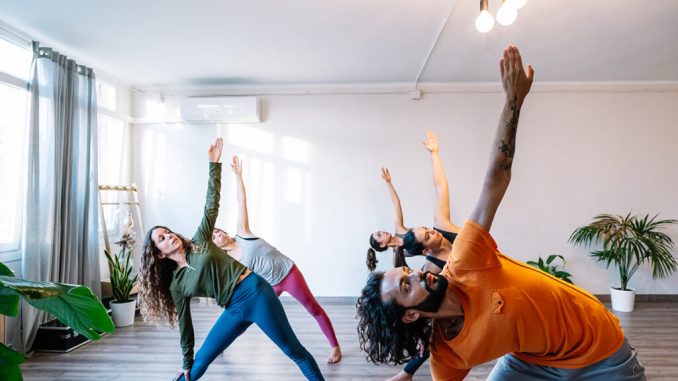
Yoga is a time-honored practice that nurtures the body, sharpens the mind, and supports emotional well-being. Rooted in ancient traditions, yoga has adapted seamlessly to modern lifestyles while retaining its essential purpose—creating balance within oneself.
Understanding Yoga in Everyday Life
At its core, yoga is a mind–body discipline that blends movement, breath, and awareness. Rather than focusing solely on physical fitness, yoga encourages a deeper connection between how the body feels and how the mind responds.
Yoga practice typically includes:
-
Physical postures that improve strength and flexibility
-
Breathing techniques that regulate energy and calm the nervous system
-
Mental focus that promotes clarity and presence
This integrated approach makes yoga both restorative and empowering.
Key Components of Yoga Practice
Yoga Postures (Asanas)
Asanas form the physical foundation of yoga. Each posture is designed to align the body while building stability and ease. With regular practice, asanas help:
-
Improve posture and spinal health
-
Increase muscle endurance
-
Enhance balance and coordination
Movements are performed with awareness, emphasizing quality over intensity.
Breath Awareness (Pranayama)
Breath acts as a bridge between the body and the mind. Yogic breathing techniques support:
-
Better oxygen flow and lung efficiency
-
Reduced tension and mental fatigue
-
Improved focus and emotional regulation
Controlled breathing is often what transforms a simple stretch into a mindful experience.
Mindfulness and Stillness
Yoga naturally cultivates mindfulness by drawing attention to the present moment. Through moments of stillness and meditation, practitioners develop:
-
Emotional resilience
-
Greater self-awareness
-
A calmer response to daily challenges
This mental clarity often carries over into everyday activities.
Different Types of Yoga Practices
Yoga offers a variety of styles, each with its own rhythm and focus. Common forms include:
-
Hatha Yoga – Slow-paced and ideal for beginners
-
Vinyasa Yoga – Flow-based movements linked with breath
-
Power Yoga – Physically engaging and strength-oriented
-
Yin Yoga – Deep stretches held for longer durations
-
Restorative Yoga – Gentle poses focused on relaxation
Selecting a style depends on personal goals, energy levels, and physical needs.
Benefits of Practicing Yoga Regularly
Yoga supports overall wellness in a sustainable way.
Physical benefits include:
-
Increased flexibility and joint mobility
-
Improved muscle tone and balance
-
Enhanced circulation and digestion
Mental and emotional benefits include:
-
Reduced stress and anxiety
-
Better sleep quality
-
Increased concentration and mental calm
Over time, yoga can positively influence lifestyle habits and self-care routines.
Yoga Beyond Exercise
Yoga is not limited to time spent on a mat. Many practitioners adopt yogic principles such as mindful breathing, conscious movement, and self-discipline throughout the day. This lifestyle-oriented approach helps maintain long-term physical and mental balance.
Consistency matters more than duration. Even brief daily practice can deliver lasting benefits.
Starting Your Yoga Journey
Yoga is accessible to people of all fitness levels. To begin:
-
Choose a quiet, comfortable space
-
Wear clothing that allows free movement
-
Use a non-slip yoga mat for support
-
Start with beginner-friendly poses and short sessions
Progress gradually and listen to your body to avoid strain or injury.
Frequently Asked Questions (FAQs)
1. Can yoga help improve posture?
Yes, yoga strengthens core and back muscles, which supports proper alignment and posture.
2. Is yoga effective for mental relaxation?
Yoga combines breathing and mindfulness, making it highly effective for calming the mind.
3. How long does it take to see results from yoga?
Many people notice increased flexibility and reduced stress within a few weeks of regular practice.
4. Can yoga be practiced without a teacher?
Yes, beginners can start with guided sessions, but proper instruction helps ensure safe alignment.
5. Is yoga suitable for people with limited mobility?
Gentle and chair-based yoga options make it accessible for individuals with mobility concerns.
6. Does yoga require special equipment?
No. A yoga mat and comfortable clothing are usually sufficient.
7. Can yoga be practiced daily?
Yes, daily practice is safe when intensity is adjusted and the body is allowed to rest when needed.