
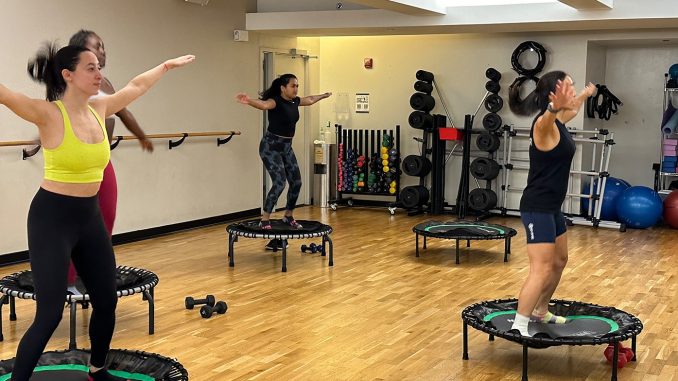
Modern fitness is moving beyond the old idea that harder impact always means better results. Many people now want smarter training that challenges the body without leaving them drained or uncomfortable. For adults exploring a trampoline class singapore programme, the appeal often lies in the combination of cardio intensity, body control and joint-friendly movement.
Trampoline-based conditioning is especially interesting because it trains several physical qualities at once. It can improve cardiovascular effort, support coordination, activate stabilising muscles and make exercise feel more enjoyable. Unlike workouts that isolate one goal, rebound training creates a more integrated movement experience.
Why Balance Deserves More Attention
Balance is not only for athletes or older adults. It affects how people walk, climb stairs, carry bags, exercise and react to sudden movement. Poor balance can make workouts feel awkward and may increase the chance of poor form.
A trampoline surface naturally demands balance. The body has to respond to slight changes under the feet, which encourages constant micro-adjustments. These small adjustments activate the ankles, calves, thighs, hips and core.
This makes rebound training valuable for people who want more than calorie burning. It teaches the body to stay organised while moving. Over time, that can support better movement confidence during both workouts and daily activities.
Coordination Makes Fitness More Functional
Many gym routines are predictable. Lift, lower, repeat. Step, pedal, repeat. There is nothing wrong with that, but the body also benefits from movement that requires timing and rhythm.
A trampoline class often includes patterns that involve arms, legs, tempo and direction changes. This requires coordination. The participant must listen, watch, react and move with control.
This mind-body connection can make the workout more engaging. It also helps develop agility and movement awareness. For adults who spend most of the day sitting at a desk, coordinated movement can feel like a reset for both body and brain.
Joint Friendly Does Not Mean Easy
Some people assume low impact workouts are low effort. That is not true. A rebound class can feel intense because the body is continuously moving. Heart rate can rise quickly, especially when the class includes faster intervals, deeper movements and full-body patterns.
The difference is in how the body receives impact. Instead of landing repeatedly on a hard floor, participants move on a springy surface. This may feel more comfortable for many adults who avoid high-impact cardio.
Still, proper form matters. Soft knees, controlled landings, upright posture and core engagement help make the workout safer and more effective. The goal is not to jump wildly. The goal is to move with precision.
Core Stability During Rebound Work
Every bounce challenges the core. The body must stabilise the spine and pelvis while the surface moves beneath the feet. This is different from doing core work on a mat because the challenge happens during active movement.
Core stability supports posture, balance and efficient movement. In a trampoline class, the core works continuously in the background, even when the main movement appears to involve the legs. This makes the class feel full-body rather than purely lower-body.
For people who dislike traditional core workouts, rebound training can be a more enjoyable way to activate the midsection while also improving cardio fitness.
Better Movement Confidence
One underrated benefit of trampoline conditioning is confidence. Many adults feel stiff, uncoordinated or unsure when returning to fitness. A well-led class can help them reconnect with movement in a positive way.
The music, rhythm and group setting can reduce self-consciousness. Participants are focused on following the flow, keeping pace and enjoying the session. As their timing improves, confidence grows.
This matters because confidence influences consistency. People are more likely to keep exercising when they feel capable rather than judged or overwhelmed.
How to Use It in a Smarter Fitness Plan
Trampoline conditioning works best when combined with other training formats. Someone focused on general health may attend rebound classes for cardio, strength sessions for muscle, and mobility work for flexibility.
A smart weekly routine may include two cardio-based sessions, two strength sessions and one recovery-focused session. The exact plan depends on goals, schedule and fitness level.
The key is not to treat every workout as a maximum-effort challenge. Sustainable fitness comes from balancing intensity with recovery.
Real-Life FAQs
Q. Can trampoline training help if I feel uncoordinated?
Ans. Yes, the repeated use of rhythm, timing and controlled movement can help improve coordination gradually.
Q. Is rebound training only for young people?
Ans. No. Many adults enjoy it, provided they are comfortable with the movement and do not have medical restrictions that make bouncing unsuitable.
Q. Will one class per week make a difference?
Ans. One class can support consistency and enjoyment, but better results usually come from a broader weekly routine that includes strength, cardio and recovery.