
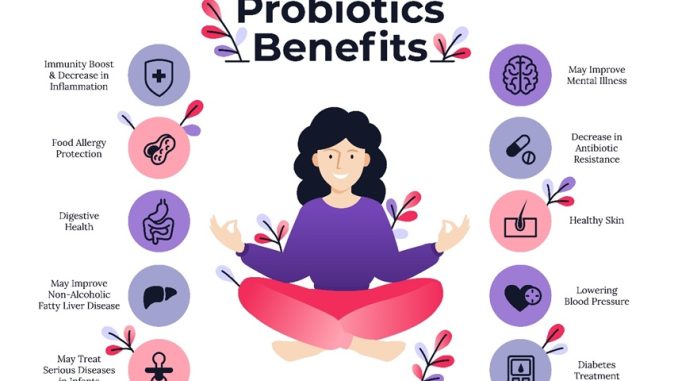
If you have been paying attention to health trends over the last decade, you will have noticed one word popping up everywhere: probiotics. From yoghurts and specialized drinks in the chiller aisle to high-potency capsules behind the pharmacy counter, these microscopic heroes are marketed as the key to a healthier life. But what exactly are they, and is the hype warranted? Fair dinkum, the answer is yes, but understanding how they work is the crucial first step.
For many of us, the concept of deliberately consuming bacteria might seem counterintuitive. We are taught to minimise germs and sterilise our environments. However, the human body is not a sterile place; it is a complex, thriving ecosystem. At the centre of this system sits the gut, housing trillions of microorganisms that profoundly influence our mood, immunity, and overall physical wellbeing. If you are keen to understand how to optimise your digestive health and explore a comprehensive selection of beneficial probiotics, you need to understand the bustling metropolis inside your belly first.
The microscopic world in your belly: Understanding the gut microbiome
Think of your gut as a massive, bustling city. This city is called the microbiome, and its population consists of bacteria, fungi, and viruses. While some residents are the ‘baddies’ (pathogens that cause illness), the majority are the ‘goodies’ – commensal organisms that live in harmony with you, the host. When this city is running smoothly, you feel great. When the balance is tipped, and the baddies start taking over, you might experience everything from bloating and sluggishness to more serious health issues.
The balance of the microbiome is constantly shifting, influenced by diet, stress, medication (particularly antibiotics), and lifestyle. When we talk about probiotics, we are essentially talking about adding reinforcements – friendly, live bacteria and yeasts that, when administered in adequate amounts, confer a health benefit on the host. They are the specialist tradies sent in to fix the infrastructure and improve the quality of life for all the good residents.
What exactly are beneficial bacteria?
The most commonly studied and utilised beneficial bacteria belong to two main families: Lactobacillus and Bifidobacterium. You might see these scientific names printed on the labels of your favourite fermented dairy products or probiotics supplements. Each strain within these families has a specific job. For example, some strains are particularly skilled at breaking down lactose, while others are champions at producing essential vitamins or strengthening the intestinal wall.
Beyond the buzzword: How do probiotics work?
The mechanism through which these beneficial organisms act is complex and multifaceted, but we can simplify it into three key actions:
- Competitive Exclusion: Probiotics physically compete with harmful bacteria for space and nutrients along the gut wall. By occupying the prime real estate, they minimise the ability of pathogens to colonise and cause trouble.
- Barrier Enhancement: They help reinforce the intestinal barrier, often referred to as the ‘gut lining’. This lining acts like the body’s defence system, controlling what gets absorbed into the bloodstream. When the barrier is strong, it prevents unwanted toxins and large food particles from escaping the gut, supporting your overall digestive wellness.
- Immune Signalling: The majority of your immune system is housed in the gut. Probiotics communicate with immune cells, helping to modulate immune responses. They can help the immune system realise when to ramp up its efforts (against a cold, for instance) and when to calm down (reducing unnecessary inflammation).
Consequently, taking the right probiotics is not just about adding ‘more’ bacteria; it is about introducing specific organisms that perform vital functions to restore and maintain equilibrium.
The tangible benefits of including probiotics in your diet
When the gut is balanced, the ripple effect on the rest of the body is profound. While the research is still modelling the full extent of probiotic benefits, several key areas have shown consistent positive results:
- Improved Digestive Regularity: One of the most common reasons people turn to probiotics is to manage issues like constipation, diarrhoea, and irritable bowel syndrome (IBS). Specific strains can help regulate bowel movements and reduce uncomfortable symptoms like bloating.
- Enhanced Nutrient Absorption: A healthy microbial community assists in breaking down food components that the body cannot digest alone, such as certain fibres. This process releases vital nutrients, including B vitamins and Vitamin K, which are then absorbed more effectively.
- Boosted Immunity: Given their role in immune signalling, regular consumption of beneficial bacteria can strengthen your body’s ability to fight off infections. This is particularly relevant during flu season or when recovering from illness.
- Mental Wellbeing: The gut-brain axis is a two-way communication pathway. Emerging research suggests that a healthy gut microbiome can influence mood and cognitive function, potentially reducing symptoms of stress and anxiety.
Food or supplement? Finding your source of good bacteria
Once you decide to introduce more beneficial bacteria into your routine, you face a choice: whole foods or targeted supplements? Both approaches have merit, and often, the best strategy involves a combination of the two.
Fermented foods: The daily dose
Fermented foods have been a staple in traditional diets for centuries, long before the term ‘probiotic’ was coined. These foods are created through controlled microbial growth, which not only preserves the food but also enhances its nutritional profile and introduces a wide variety of live cultures.
In our regional context, many people enjoy the tangy refreshment of kefir, a cultured dairy drink, or the fizzy, slightly sour tea known as kombucha. Other traditional and modern fermented foods, such as sauerkraut, pickles, and traditional yoghurt, are readily available and provide a diverse range of naturally occurring microorganisms. Including these foods daily is a delicious and accessible way to support your microbiome.
The role of probiotics supplements
While fermented foods are fantastic, the bacterial counts and specific strains can vary significantly. This is where probiotics supplements step in. Supplements are designed to deliver a high concentration of specific, scientifically studied strains that target particular health conditions.
For example, if you have recently undergone a course of antibiotics – which are fantastic at killing harmful bacteria but brutal on the beneficial ones – a targeted, high-dose probiotic supplement might be necessary to help restore balance quickly. The key to choosing probiotics supplements is looking beyond the Colony Forming Unit (CFU) count and focusing on the specific strains listed, ensuring they are relevant to your health goals.
Choosing the right strain for your needs
Navigating the supplement aisle can feel overwhelming. You might see bottles boasting billions of CFUs and dozens of different strains. But remember the analogy: you are not just hiring random workers; you are hiring specialist tradies. The right probiotics for one person might not be the best choice for another.
To optimise your gut health, consider what you are trying to achieve. Are you aiming for general immune support? Are you trying to minimise digestive upset? Look for strains that have been clinically tested for that specific purpose. For instance, Lactobacillus rhamnosus GG is often recommended for supporting children’s immunity, while certain Bifidobacterium strains are favoured for improving regularity in adults.
Pairing your probiotics with prebiotics
If probiotics are the seeds you are planting in your gut garden, then prebiotics are the high-quality fertiliser. Prebiotics are non-digestible fibres that pass through the small intestine undigested and stimulate the growth and activity of beneficial bacteria already residing in the large intestine.
Understanding the importance of dietary prebiotics is critical for long-term gut health. Without this vital food source, the beneficial bacteria, whether native or supplemented, cannot thrive. Common sources of prebiotics include:
- Garlic and onions
- Leeks and asparagus
- Bananas (especially slightly green ones)
- Oats and barley
- Legumes
Consequently, a holistic approach to gut health involves ensuring you have plenty of prebiotic-rich foods on your plate alongside your intake of probiotic supplements. This combination creates an environment where the beneficial cultures can truly flourish.
A balanced approach to digestive wellbeing
The journey towards better digestive health is not a sprint; it is a marathon. Probiotics offer a powerful tool to help maintain the delicate balance of your internal ecosystem, but they work best when supported by a healthy diet rich in fibre and whole foods, plenty of water, and effective stress management.
By taking the time to understand the unique roles of these tiny organisms, you are empowering yourself to make informed choices about your wellbeing. Whether you choose to sip on home-brewed kombucha or opt for targeted supplements, investing in your gut health is one of the most proactive steps you can take to realise a healthier, more vibrant life.