
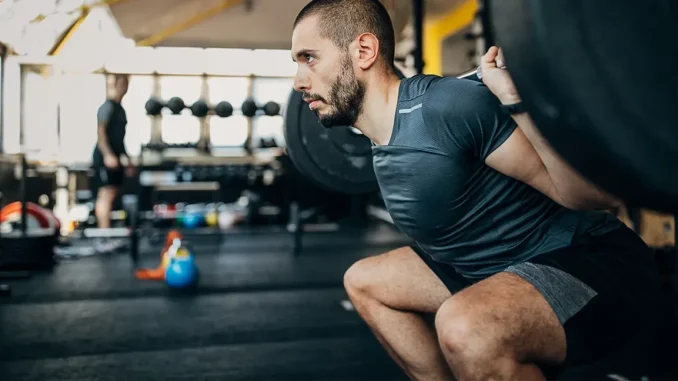
Modern fitness is not just about building muscles or running on a treadmill. People are looking for ways to enhance their performance in everyday life, from carrying groceries and climbing stairs to playing sports or preventing injuries. This is where functional training becomes essential. By blending it into a gym fitness program, individuals can enjoy workouts that improve strength, flexibility, stability, and overall quality of life.
What Is Functional Training?
Functional training is a method of exercise that focuses on movement patterns rather than isolated muscles. Instead of performing repetitive bicep curls, for instance, functional training might combine squats with overhead presses to mimic real-world actions. The objective is to create workouts that translate into better balance, coordination, and strength for daily tasks.
Why Functional Training Matters
Traditional gym routines are often split into muscle groups, but life does not isolate movements in the same way. Functional training ensures the body works as a unit, engaging multiple joints and muscles simultaneously. This reduces the risk of injury, builds core strength, and makes everyday activities easier. It is especially beneficial for office workers in Singapore who spend long hours sitting, as functional exercises can correct posture and relieve muscle imbalances.
Key benefits of functional training
-
Improved mobility and flexibility
-
Greater core stability and posture correction
-
Enhanced strength for everyday movements
-
Reduced injury risk through joint strengthening
-
Increased calorie burn with compound movements
Core Principles of Functional Training
When designing a programme that incorporates functional training, there are several principles to consider.
Multi-planar movements
Movements should occur across different planes: sagittal (forward and backward), frontal (side to side), and transverse (rotational). This ensures the body is prepared for a wide range of real-world motions.
Compound exercises
Exercises that engage multiple muscle groups mimic real-life activities better than isolated movements. Squats, lunges, and push-ups are prime examples.
Core engagement
The core acts as the stabilising centre for nearly every movement. Functional training ensures the core is continuously activated, leading to improved stability.
Progression
Like any training style, functional fitness requires progression. Resistance can be added through weights, resistance bands, or more complex variations of the same movement.
Popular Functional Training Exercises
Incorporating functional moves into a gym fitness program can be simple and effective. Some of the most popular include:
-
Squats: Builds lower body strength and simulates sitting and standing actions.
-
Lunges: Improves balance and strengthens legs, mirroring walking and climbing stairs.
-
Deadlifts: Reinforces safe lifting techniques for heavy objects.
-
Push-ups: Enhances upper body strength while engaging the core.
-
Medicine ball throws: Builds explosive power and mimics rotational movements.
-
Kettlebell swings: Strengthens hips, glutes, and core while boosting endurance.
Integrating Functional Training Into Traditional Gym Workouts
Functional training does not need to replace conventional workouts but can be integrated seamlessly.
Circuit style workouts
Combining strength and cardio in a circuit format maximises efficiency. For instance, alternating squats, push-ups, kettlebell swings, and planks creates a full-body routine in 20 minutes.
Superset integration
Pairing traditional strength movements with functional exercises enhances both performance and calorie burn. For example, a bench press can be followed by medicine ball throws to improve explosive power.
Warm-up and mobility
Functional exercises are excellent for warm-ups. Dynamic stretches such as walking lunges with twists or resistance band pull-aparts prepare the body for heavy lifting.
Functional Training for Different Goals
For strength
Heavy compound lifts like deadlifts, weighted squats, and barbell rows can be adapted with slight variations to train muscles in real-world patterns.
For fat loss
Functional circuits with minimal rest intervals, such as burpees, battle ropes, and kettlebell swings, burn calories while improving coordination and endurance.
For sports performance
Athletes in Singapore often benefit from functional moves that mirror sport-specific actions, such as rotational core drills for tennis players or agility ladder work for footballers.
For rehabilitation
Functional training is a common tool in physiotherapy. Movements are designed to rebuild strength, restore balance, and support safe return to daily activity after injuries.
Equipment That Enhances Functional Training
A variety of tools can enhance functional training, many of which are found in modern gyms.
-
Kettlebells: For swings, carries, and presses.
-
Medicine balls: For rotational and power-based exercises.
-
Resistance bands: For mobility drills and progressive overload.
-
TRX suspension trainers: To use bodyweight for multi-plane exercises.
-
Balance boards: To train stability and coordination.
Functional Training for Office Workers in Singapore
Sedentary jobs can lead to weak cores, rounded shoulders, and tight hips. Functional training combats these issues by strengthening postural muscles and improving mobility. Office workers benefit from exercises like:
-
Hip bridges to counter sitting-related glute weakness.
-
Rows to improve posture and reduce rounded shoulders.
-
Core rotations to improve spinal mobility.
How TFX Singapore Incorporates Functional Training
At TFX Singapore, functional training is often woven into regular classes and personalised programmes. Trainers focus on helping members move better in their daily routines, not just inside the gym. From kettlebell circuits to dynamic core drills, functional methods make workouts more effective and engaging for members with diverse goals.
FAQs on Functional Training
Q1. Can beginners start with functional training immediately?
Yes, beginners can start with bodyweight functional exercises like squats, lunges, and planks before progressing to weights or complex movements.
Q2. Is functional training suitable for older adults?
Absolutely. Functional training improves balance, coordination, and mobility, which are critical for ageing adults. Exercises can be scaled for safety and comfort.
Q3. How often should functional training be included in a gym fitness program?
At least two to three sessions weekly, either as standalone workouts or integrated into existing routines.
Q4. Do I need special equipment for functional training?
Not necessarily. Many functional exercises can be done with bodyweight alone. Equipment simply adds variety and progression.
Q5. Does functional training replace traditional strength training?
No, both approaches complement each other. While functional training focuses on real-life movement patterns, traditional strength training builds foundational strength.
Q6. Can functional training help with weight loss?
Yes, because functional circuits often engage multiple muscles at once, leading to higher calorie expenditure compared to isolated movements.
Q7. What makes functional training different from HIIT?
Functional training is about movement patterns and daily-life application, while HIIT is about training at high intensity in short intervals. Both can be combined effectively.