
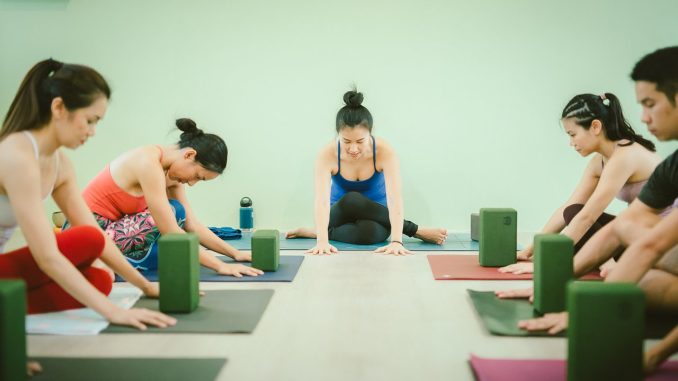
Yin Yoga has quietly but powerfully made its way into the wellness scene in Singapore. In a city known for its fast-paced energy, constant connectivity, and packed schedules, people are beginning to realise the value of slowing down. More locals are now embracing the meditative rhythm of yin yoga, finding in it not just physical relief but also a deep sense of emotional balance and stillness.
Understanding What Makes Yin Yoga Different
Unlike the dynamic flow of Vinyasa or the heat of Bikram, Yin Yoga focuses on stillness and surrender. It targets the body’s deeper connective tissues such as fascia, ligaments, and joints, rather than the superficial muscle groups.
Each pose is held for several minutes, often between three to seven, allowing the body to relax deeply and the mind to settle into still awareness. There are no fast transitions, no rush, and no competition. Instead, practitioners are encouraged to listen to their bodies and cultivate patience and mindfulness.
The Yin Philosophy
At its core, Yin Yoga is rooted in the Taoist concept of Yin and Yang. Yin represents stillness, coolness, and grounding, while Yang symbolises activity, heat, and motion. Many Singaporeans live in a Yang-dominated world — work pressure, late nights, digital stimulation, and constant movement. Yin Yoga balances that energy by encouraging softness and quiet introspection.
Why Yin Yoga Resonates with Singapore’s Lifestyle
Singapore’s culture values productivity, efficiency, and excellence. However, these traits often come at a cost — stress, fatigue, and mental burnout. Yin Yoga offers a gentle antidote to this.
1. An Effective Way to Release Tension
After long hours in front of a computer or during long commutes, muscles tend to tighten, especially around the neck, hips, and lower back. Yin Yoga’s slow stretches help improve circulation, release muscular tension, and restore flexibility.
In Singapore’s humid climate and air-conditioned offices, the body can feel stiff and fatigued. The stillness of Yin poses allows heat to penetrate deep into the connective tissues, gradually releasing tightness.
2. Mindful Escapism in an Urban Environment
For many, stepping into a Yin Yoga class is like taking a short retreat within the city. The dim lighting, calming music, and supportive atmosphere help reduce overstimulation from constant screens and notifications.
Instead of rushing, participants learn to pause. Breathing slows, heart rate steadies, and the nervous system shifts from fight-or-flight to rest-and-digest mode. It becomes a safe space to disconnect from daily noise and reconnect with oneself.
3. Improved Sleep and Mental Clarity
Regular Yin Yoga practice can greatly improve sleep quality, which many Singaporeans struggle with due to high stress levels and irregular working hours. The extended holds encourage relaxation, reduce cortisol levels, and prepare the body for deep rest.
Students often report better concentration at work, fewer headaches, and greater emotional stability after just a few weeks of consistent practice.
How Yin Yoga Aligns with Mindfulness and Emotional Health
The beauty of Yin Yoga lies not only in its physical benefits but also in its emotional impact. Holding a pose for several minutes requires patience, acceptance, and surrender — qualities that are essential in maintaining emotional well-being.
Practising Stillness in a Busy City
In Singapore, where busyness is often seen as a sign of success, Yin Yoga teaches the value of slowing down. It encourages practitioners to be comfortable with stillness and silence. This mental training often extends beyond the mat, helping individuals respond calmly to daily challenges.
Deepening Self-Awareness
During long holds, sensations surface, both physical and emotional. Instead of resisting, Yin Yoga encourages observation. Over time, practitioners develop awareness of how their bodies and minds react under pressure, promoting a healthier relationship with themselves.
Supporting Emotional Release
It is common for people to experience emotional release during a Yin session. The deep hip stretches, in particular, are believed to unlock stored tension and unresolved emotions. In a society where people often suppress stress to maintain composure, Yin Yoga offers a safe outlet for emotional healing.
The Growing Popularity of Yin Yoga in Singapore
The increasing number of Yin Yoga classes across Singapore is a reflection of changing attitudes toward wellness. More people are seeking balance, not just intensity. Fitness enthusiasts who once preferred only high-energy workouts are discovering the complementary benefits of Yin sessions.
Studios are now integrating Yin into their regular schedules, often pairing it with more dynamic classes like Vinyasa or Power Yoga to help balance the body’s energies. Many corporate wellness programs have also started including Yin sessions to reduce employee stress and improve productivity.
Community and Connection
One of the appealing aspects of Yin Yoga in Singapore is the sense of community it fosters. Classes are intimate and non-competitive, making them ideal for both beginners and experienced practitioners. Teachers often guide students into meditation or breathwork, creating a peaceful group energy that feels nurturing and supportive.
Role of Yoga Spaces in Promoting Mindful Living
Studios like Yoga Edition have played an important role in introducing locals to the deeper aspects of Yin Yoga practice. Through structured programs, themed classes, and experienced instructors, such spaces help Singaporeans cultivate mindfulness in a practical, accessible way.
The Science Behind Yin Yoga’s Healing Power
While Yin Yoga is rooted in ancient wisdom, modern science supports its effectiveness. Studies have shown that slow, sustained stretches can improve tissue health and joint mobility, reduce chronic pain, and enhance overall flexibility.
1. Impact on the Fascia
The fascia is a network of connective tissue that surrounds every muscle, organ, and bone. Sedentary lifestyles can cause it to tighten and restrict movement. Yin Yoga’s long holds apply gentle stress on the fascia, stimulating hydration and improving elasticity.
2. Activating the Parasympathetic Nervous System
Yin Yoga triggers the body’s relaxation response. Deep breathing and meditative stillness activate the parasympathetic nervous system, lowering blood pressure and reducing anxiety. Over time, practitioners develop resilience against everyday stressors.
3. Improved Circulation and Joint Health
By staying in a pose longer, blood and oxygen flow to areas that are often neglected. The stillness gives the body time to release tight fascia and nourish the joints, reducing stiffness and promoting long-term mobility.
Integrating Yin Yoga into a Modern Singaporean Lifestyle
For busy professionals, students, and parents, adding Yin Yoga to a weekly routine doesn’t require major changes. The practice adapts easily to various fitness levels and schedules.
Practical Tips to Start
-
Schedule it intentionally. Try attending at least two classes a week or practise 20 minutes at home before bed.
-
Create the right space. Use dim lighting, calm music, and props like bolsters or cushions for comfort.
-
Avoid rushing. The goal is not to push or achieve a perfect pose, but to stay present and still.
-
Combine it with mindfulness. Incorporate breath awareness or guided meditation during poses for deeper relaxation.
How Singaporeans Are Embracing Yin Yoga at Home
With the increasing popularity of online wellness content, many Singaporeans now practise Yin Yoga from home. It fits well into the city’s compact living spaces and can be done without advanced equipment. Some prefer short morning stretches to start the day grounded, while others use evening sessions to unwind after work.
Yin Yoga and Work-Life Balance
Incorporating Yin Yoga into daily life can shift how people manage their work-life balance. The slow nature of the practice helps reset mental patterns, making it easier to detach from constant performance pressure. It’s not uncommon to hear practitioners say that Yin has helped them become more patient and less reactive, both at work and at home.
Yin Yoga and Traditional Chinese Medicine: The Energetic Connection
Singapore’s strong cultural links with Traditional Chinese Medicine (TCM) make Yin Yoga particularly relevant here. Both disciplines emphasise balance and energy flow.
In Yin Yoga, poses stimulate specific meridian pathways — the same energy lines recognised in TCM. These pathways are believed to correspond with internal organs such as the liver, kidneys, and lungs. By holding postures that target these areas, practitioners aim to balance Qi (vital energy) and support organ health.
This combination of ancient Eastern wisdom and modern mindfulness appeals to Singaporeans who value holistic wellness approaches. It bridges cultural heritage with contemporary lifestyle needs.
The Future of Yin Yoga in Singapore
The demand for Yin Yoga is expected to continue growing as more people recognise its mental, emotional, and physical benefits. Singapore’s wellness industry is evolving beyond traditional fitness — it now encompasses mindfulness, recovery, and mental health support. Yin Yoga fits seamlessly into this new vision of balanced living.
Wellness retreats, corporate programs, and even schools are beginning to include Yin sessions in their schedules. As awareness spreads, the practice may become as mainstream as gym workouts or meditation apps.
Real-Life FAQs about Yin Yoga in Singapore
Q1: Can beginners join a Yin Yoga class if they have no prior yoga experience?
Absolutely. Yin Yoga is one of the most beginner-friendly practices. Poses are simple and supported with props. The instructor will guide you gently, focusing on relaxation instead of flexibility.
Q2: How often should I attend Yin Yoga sessions to see results?
Practising twice a week can bring noticeable benefits in flexibility, stress reduction, and sleep quality within a month. Consistency is more important than intensity.
Q3: What should I wear to a Yin Yoga class in Singapore’s humid climate?
Wear breathable, light fabrics that allow movement but keep you warm during still poses. Since studios are usually air-conditioned, bring a light shawl or jacket for comfort.
Q4: Is Yin Yoga suitable for seniors or people with injuries?
Yes, with proper guidance. Because it is a low-impact practice, Yin Yoga can be adapted to suit people with mobility issues or chronic pain. Always inform your instructor beforehand so poses can be modified safely.
Q5: Can Yin Yoga help with anxiety and burnout?
Definitely. Many Singaporeans find Yin Yoga particularly effective in managing anxiety, as it encourages slow breathing and stillness, which calm the nervous system and restore emotional balance.
Final Note: Yin Yoga’s rise in Singapore reflects a collective shift towards mindful living. As more people discover its power to heal the body and quiet the mind, it continues to transform the way locals approach wellness — not as another task to complete but as a way to reconnect with themselves, one breath at a time.