
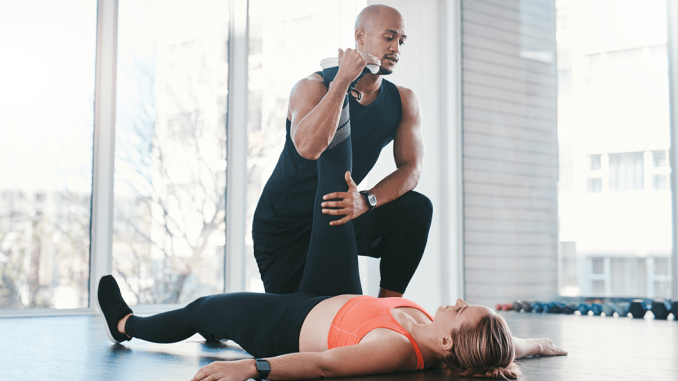
A fitness trainer is more than someone who counts reps or demonstrates exercises. They are a mentor, motivator, educator, and accountability partner who helps individuals transform their physical health while building confidence and discipline. Whether your goal is weight loss, muscle gain, injury recovery, or overall wellness, a qualified fitness trainer can make the journey safer, smarter, and far more effective.
What Does a Fitness Trainer Do?
A fitness trainer designs structured workout programs tailored to individual needs, abilities, and goals. Their role blends science, coaching, and psychology to help clients progress consistently.
Key responsibilities include:
-
Assessing fitness levels, mobility, and posture
-
Creating personalized training plans
-
Teaching correct exercise form and technique
-
Monitoring progress and adjusting programs
-
Providing motivation, discipline, and accountability
-
Educating clients on healthy movement habits
Types of Fitness Trainers
Not all fitness trainers specialize in the same areas. Understanding the differences can help you choose the right professional.
Personal Trainer
Works one-on-one with clients to achieve customized goals such as fat loss, strength building, or general fitness.
Strength and Conditioning Coach
Focuses on athletic performance, power, speed, and endurance, often working with athletes or sports teams.
Online Fitness Trainer
Delivers coaching through digital platforms, offering workout plans, video demonstrations, and virtual check-ins.
Group Fitness Instructor
Leads classes like HIIT, yoga, spin, or boot camps, motivating groups through structured sessions.
Rehabilitation or Corrective Exercise Specialist
Works with clients recovering from injuries or dealing with movement limitations.
Why Hiring a Fitness Trainer Makes a Difference
Training alone can work, but training with professional guidance often leads to faster and safer results.
Benefits include:
-
Reduced risk of injury through proper form
-
Clear structure instead of random workouts
-
Consistent motivation and accountability
-
Efficient use of time and effort
-
Confidence gained through measurable progress
A fitness trainer also helps break plateaus by introducing new techniques and progressive overload strategies.
Essential Skills of a Great Fitness Trainer
A truly effective fitness trainer combines technical knowledge with strong interpersonal skills.
Technical Expertise
-
Anatomy and biomechanics
-
Exercise programming
-
Injury prevention principles
-
Mobility and flexibility training
Communication and Coaching
-
Clear explanations
-
Constructive feedback
-
Motivational mindset
-
Adaptability to different personalities
Professional Traits
-
Patience and empathy
-
Consistency and reliability
-
Continuous learning
-
Ethical and safety-focused approach
How to Choose the Right Fitness Trainer
Selecting the right trainer can define your fitness experience.
Consider these factors:
-
Certifications and education
-
Experience with goals similar to yours
-
Communication style and personality fit
-
Availability and scheduling flexibility
-
Client testimonials or reviews
A consultation session is often the best way to assess compatibility before committing.
The Future of Fitness Training
The fitness industry is evolving rapidly. Modern fitness trainers now integrate:
-
Wearable fitness technology
-
Data-driven progress tracking
-
Hybrid online and in-person coaching
-
Holistic wellness approaches, including stress management and recovery
This evolution makes fitness training more accessible, personalized, and sustainable than ever before.
Frequently Asked Questions (FAQ)
1. How often should I train with a fitness trainer?
Most people benefit from 2–3 sessions per week, depending on goals, experience, and recovery capacity.
2. Can a fitness trainer help with weight loss alone?
Yes, especially when workouts are combined with lifestyle guidance and consistent accountability.
3. Are fitness trainers suitable for beginners?
Absolutely. Beginners often gain the most value through proper guidance, confidence building, and injury prevention.
4. What should I expect in my first session with a fitness trainer?
An initial assessment, goal discussion, movement screening, and a light introductory workout.
5. Is online fitness training effective compared to in-person training?
Online training can be highly effective when programs are personalized and communication is consistent.
6. Do fitness trainers provide nutrition plans?
Some offer general nutritional guidance, but detailed meal plans may require a registered nutrition professional.
7. How long does it take to see results with a fitness trainer?
Visible improvements often appear within 4–6 weeks, with consistency and adherence to the program.