
Starting your day with a dedicated movement practice can fundamentally alter how you experience the hours ahead. While many people rely exclusively on caffeinated beverages to shock their nervous systems awake, integrating physical postures and breathwork offers a sustainable alternative. A thoughtful morning yoga routine acts as a natural catalyst, waking up sleepy joints, increasing blood circulation to the brain, and clearing mental fog before the demands of the day begin. By dedicating just ten to twenty minutes upon waking to mindful movement, you set a proactive, grounded tone that enhances both your physical vitality and cognitive focus.
The Science of Morning Movement
The human body transitions through various stages of sleep, leaving muscles stiff and circulation slowed by morning. When you wake up, your spine is slightly elongated and compressed from hours of lying horizontally, and your joints require gentle mobilization to produce synovial fluid. Engaging in a morning yoga sequence initiates a cascade of positive physiological events.
-
Enhanced Circulation: Gentle stretches and dynamic flows pump freshly oxygenated blood throughout the body, delivering vital nutrients to tissues and the brain.
-
Nervous System Regulation: Conscious breathing paired with movement activates the parasympathetic nervous system, helping you transition smoothly from sleep inertia to alert wakefulness without the jittery spikes associated with excess caffeine.
-
Cortisol Management: Morning movement helps regulate cortisol patterns, supporting the natural awakening response that keeps you energized and focused throughout the morning hours.
-
Postural Realignment: Slumber positions often create tension in the neck, shoulders, and lower back. Yoga postures gently correct overnight slouching and restore alignment.
Essential Postures for Awakening the Body
Constructing an effective morning practice does not require an advanced gymnastics background. Focusing on fundamental, accessible poses maximizes joint mobility and muscular engagement without overwhelming a sleepy system.
Cat-Cow Stretch
Begin on your hands and knees in a tabletop position, aligning your wrists directly beneath your shoulders and your knees beneath your hips. Inhale as you drop your belly toward the floor, lifting your chest and gazing upward into Cow pose. Exhale as you draw your navel toward your spine and round your back toward the ceiling, tucking your chin to your chest into Cat pose. Flow smoothly between these two shapes for ten breaths to release tension along the entire length of the spine.
Downward-Facing Dog
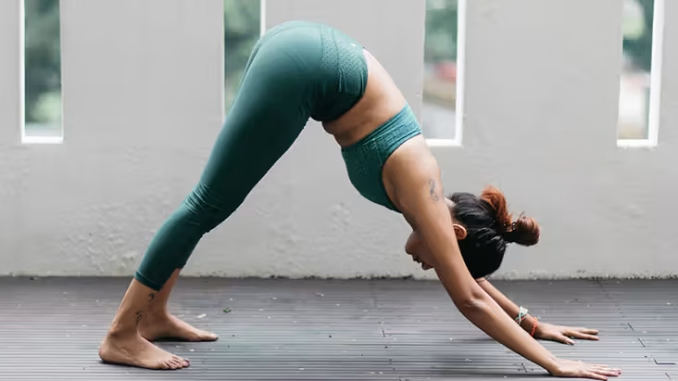
From your tabletop position, tuck your toes, press into your palms, and lift your hips high toward the ceiling to form an inverted V shape. Keep a generous bend in your knees if your hamstrings feel tight, and pedal your heels gently up and down to stretch the calves. This posture reverses blood flow, bringing fresh circulation to the brain while simultaneously strengthening the upper body and stretching the posterior chain.
Low Lunge with Spinal Twist
Step your right foot forward between your hands from a downward-facing dog position, lowering your left knee gently to the mat. Inhale your arms overhead to open the chest and hip flexors. On an exhale, bring your palms together at your heart center and twist your torso to the right, hooking your left elbow outside your right knee. Hold for five deep breaths before switching sides to stimulate digestion and awaken the core.
Designing Your Ten Minute Morning Sequence
Consistency matters far more than duration when building a sustainable morning habit. Establishing a repeatable, efficient sequence removes friction and ensures you can complete the practice even on busy mornings.
-
Minute One to Three: Centering and Breathwork. Sit comfortably on your mat, close your eyes, and take deep, deliberate belly breaths to anchor your awareness in the present moment.
-
Minute Four to Six: Spinal Mobilization. Move through rounds of Cat-Cow and gentle seated side bends to lubricate the vertebrae and activate the core muscles.
-
Minute Seven to Nine: Flow and Strength. Transition into Downward-Facing Dog, step forward into a standing forward fold, and rise to a tall standing mountain pose with arms sweeping overhead.
-
Minute Ten: Final Integration. Return to a seated meditation posture, set a positive intention for your day, and take three final cleansing breaths before stepping off the mat.
Cultivating Mental Clarity Through Breath
Physical postures provide the vehicle, but conscious breathing serves as the fuel for mental sharpness. Deep diaphragmatic breathing stimulates the vagus nerve, which helps dial down stress hormones and sharpens executive brain function. When you combine slow, controlled inhalations and exhalations with physical movement, you train your brain to maintain calm focus amidst distractions. This mind-body connection carries over directly into your workday, enabling you to approach complex tasks with a centered, strategic mindset rather than a reactive one.
Common Mistakes to Avoid
Approaching a morning practice requires patience and self-awareness to prevent injury and burnout. Because your muscles are coldest and least flexible immediately after waking, pushing too hard into deep stretches can cause micro-tears or strain. Always prioritize alignment and comfort over depth in any given posture. Furthermore, avoid checking your smartphone or engaging with stressful stimuli before completing your practice. Protecting your morning window preserves the mental sanctuary you are working hard to build.
Frequently Asked Questions
Should I practice yoga on an entirely empty stomach?
Most practitioners prefer practicing on an empty stomach to avoid digestive discomfort during twisting or bending postures. If you wake up feeling faint or exceptionally hungry, consume a small, easily digestible snack like a few bites of a banana or a sip of warm water with lemon before stepping onto your mat.
Can beginners with stiff joints do a morning yoga routine?
Morning yoga is specifically designed to alleviate stiffness, making it ideal for beginners. You do not need to be flexible to start. Using props such as yoga blocks and keeping your knees bent during forward folds allows anyone to practice safely regardless of current flexibility levels.
How many days a week should I practice to see mental benefits?
Practicing even three days a week yields noticeable improvements in mood, energy, and focus. However, practicing for just five to ten minutes every single day helps cement the habit much faster than longer, sporadic sessions.
Is it necessary to use a yoga mat for a morning routine?
While a sticky yoga mat provides essential traction and cushioning for your knees and wrists, you can practice on any non-slip surface, clean carpet, or firm rug if you do not own a mat yet.
Can morning yoga replace my morning cup of coffee?
Many people find that the natural cortisol awakening response, combined with improved oxygen delivery and circulation from yoga, reduces or entirely eliminates their reliance on caffeine. You do not need to quit coffee immediately, but you may naturally find you need less of it over time.
What should I wear during a morning practice?
Choose comfortable, breathable clothing that allows a full range of motion without restricting your breathing or digging into your waistline. Avoid loose, oversized shirts that fall over your face when you bend upside down in inversion postures.