
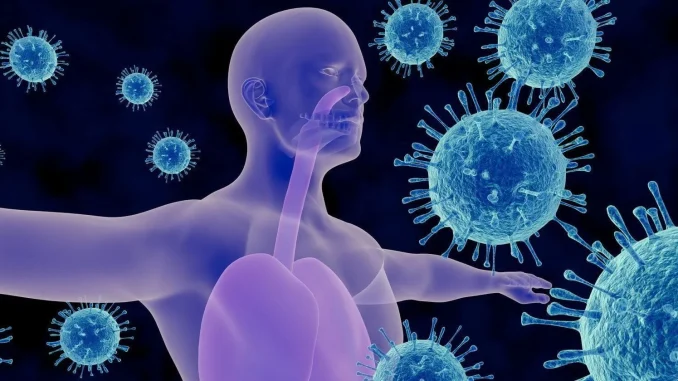
Type 1 diabetes is a chronic, life-altering condition that affects millions of people worldwide, from young children to adults. It is a disease with a distinct and puzzling origin: the body’s own immune system, designed to protect us from foreign invaders, mistakenly turns on itself. This tragic situation of identity confusion is the reason behind the death of the insulin-making cells in the pancreas, which occur to trigger a series of health problems. The mystery of why this happens—what triggers this devastating immune response—is at the heart of decades of scientific research. While we have yet to pinpoint a single cause, a complex interplay of genetic, environmental, and viral factors is believed to be the culprit behind this autoimmune misfire.
Understanding T1D symptoms requires a fundamental grasp of how the body regulates blood sugar. Once we consume food the carbohydrates are converted to glucose that is circulated in the bloodstream. The pancreas, a small organ located behind the stomach, responds by releasing insulin. This hormone acts like a key, unlocking the body’s cells to allow glucose to enter and be used for energy. In a person with type 1 diabetes, this system breaks down completely. The body’s immune system, in its misguided attack, obliterates the beta cells in the pancreas that produce insulin. Without insulin, glucose builds up in the bloodstream, leading to hyperglycemia, which can damage organs over time and, if left untreated, be life-threatening.
Environmental Triggers: The Search for a Catalyst
Since genetics alone cannot explain the disease, scientists have long been searching for environmental triggers that could initiate the autoimmune response. The incidence of type 1 diabetes has been rising globally, a trend too rapid to be attributed solely to genetic shifts. This suggests that modern environmental exposures may be playing a role.
One of the leading theories revolves around viruses. Certain viruses, such as enteroviruses, mumps, and rubella, have been studied for their potential link to the disease. The “molecular mimicry” hypothesis suggests that the immune system, in its fight against a viral infection, might produce antibodies that mistakenly identify and attack the insulin-producing cells because they have a similar molecular structure to the virus. Another possibility is that a viral infection in the pancreas could directly damage the beta cells, triggering a lasting autoimmune response.
Other environmental factors being investigated include dietary components, particularly exposure to certain proteins in cow’s milk early in life. A lack of vitamin D, exposure to certain chemicals or toxins, and changes in the gut microbiome are also areas of ongoing research. The hygiene hypothesis, which suggests that a lack of exposure to a diverse range of microbes in modern, sterile environments may lead to an overactive and misguided immune system, has also gained traction as a potential contributing factor.
The Autoimmune Cascade: The Process of Destruction
Regardless of the initial trigger, the end result is the same: the immune system’s T-cells, normally tasked with hunting down and destroying pathogens, are activated and begin to target the beta cells. This is a slow and insidious process that can take months or even years. During this “honeymoon period,” the pancreas is still producing some insulin, and symptoms may be mild or non-existent.
Once a critical number of beta cells are destroyed—typically 80-90%—the body can no longer produce enough insulin to manage blood sugar. This is the point at which symptoms become noticeable and a diagnosis is made. The classic signs include increased thirst, frequent urination, unexplained weight loss, and extreme fatigue. This is why a diagnosis of type 1 diabetes often feels sudden and shocking, even though the autoimmune process has been underway for a long time.
Conclusion
Type 1 diabetes is a powerful reminder of the delicate balance within our bodies. The cause is a complex and still largely mysterious interaction between our genetic makeup and the world around us. While the immune system’s misfire is a devastating event, the ongoing quest to unravel its mystery is a testament to the scientific community’s dedication to turning this life-altering condition into one that is preventable, and one day, curable.