
Effective Neck and Shoulder Exercises to Reduce Stiffness From Daily Activities
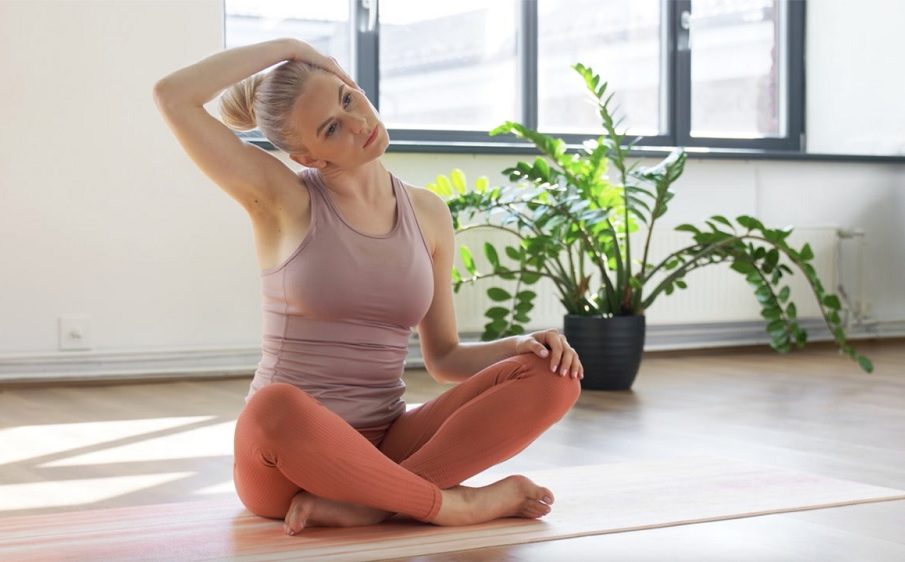
Most people do not notice how tense their upper body has become until an ordinary moment gives it away. You turn your head to check a blind spot while merging onto the highway and feel a sharp tug along the side of your neck. Or you stand up after an afternoon of emails and realize your shoulders have been hovering two inches below your ears for the past three hours.
When stiffness sets in, the natural impulse is to roll your head in big circles, knead the knot at the base of your neck, or hope a hot shower melts it away. Those quick fixes can take the edge off for twenty minutes, yet the tightness almost always creeps back by the next morning. True, lasting relief comes from addressing why those muscles locked up in the first place. Pairing a few targeted mobility drills with simple strengthening exercises retrains your neck, shoulders, and upper back to handle daily life without tightening into knots.
Why Everyday Routines Create Stubborn Neck and Shoulder Tension
You do not need an intense workout or a heavy lifting injury to strain your neck and shoulders. Quiet, repetitive postures do far more damage over time. Looking down at a smartphone, leaning toward a laptop screen, gripping a steering wheel in traffic, chopping vegetables at a low counter, and slinging a heavy backpack over one shoulder all pull your upper body into the exact same position: head jutting forward, chest caving inward, and shoulders rounding toward your front.
Your head weighs roughly ten to twelve pounds when balanced directly over your spine. Every inch it drifts forward dramatically multiplies the load your neck and upper back muscles have to hold up. To keep your head from tipping onto your chest, the muscles running along the back of your neck and the tops of your shoulders stay mildly contracted for hours on end. Reduced blood flow, local fatigue, and stubborn trigger points soon follow.
What surprises most people is that a tight muscle is not always a short muscle. When your shoulders round forward all day, the muscles across your chest genuinely shorten and tighten. Meanwhile, the muscles in your upper back and the deep stabilizers along the front of your neck grow stretched out and weak. Those overworked upper back muscles feel tight and achy precisely because they are exhausted from losing a daily tug-of-war against gravity and tight chest muscles.
That is why stretching alone rarely solves chronic stiffness. Loosening tight chest and neck fibers gives you breathing room, while strengthening the neglected muscles of your mid-back and deep neck ensures your posture holds itself upright without constant strain.
Six Exercises to Relieve Stiffness and Restore Mobility
You do not need a gym membership or complicated gear to unwind daily tension. Every exercise below can be performed at home or beside a desk in comfortable clothes, using nothing more than a doorway, a flat wall, and a light resistance band. Move slowly, breathe steadily, and aim for a gentle, relieving pull rather than sharp discomfort.
Chin Tucks
Chin tucks are one of the most underrated exercises for undoing forward head posture. Rather than stretching aggressively, they wake up your deep neck flexors, the small stabilizing muscles along the front of your cervical spine that keep your head stacked over your shoulders.
Sit or stand tall with your eyes fixed on a spot straight ahead. Without tilting your chin down toward your chest or lifting it toward the ceiling, glide your head straight backward as if trying to make a gentle double chin. You should feel a mild lengthening along the back of your neck right beneath the base of your skull. Hold the retracted position for five seconds, then relax back to neutral. Complete eight to ten slow repetitions.
If you struggle to feel the right alignment while seated, practice lying flat on your back with your knees bent. Gently press the back of your head straight into the floor while keeping your jaw relaxed and your eyes aimed at the ceiling.
Upper Trapezius and Levator Scapulae Stretch
Two neighboring muscles cause the vast majority of everyday neck tightness: the upper trapezius, which runs along the top slope of your shoulder, and the levator scapulae, which connects the upper inner corner of your shoulder blade to the side of your neck. Stretching both takes less than two minutes and requires only a slight change in head angle.
Sit upright in a sturdy chair and grip the bottom edge of the seat with your right hand to keep your right shoulder anchored down. For the upper trapezius, gently tilt your left ear toward your left shoulder until you feel a comfortable stretch along the right side of your neck. You can rest your left hand lightly on the side of your head for weight, without pulling. Hold for 25 to 30 seconds while breathing slowly.
To target the levator scapulae, keep your right hand anchored under the chair, turn your nose about 45 degrees toward your left armpit, and gently nod your chin downward. Rest your left hand lightly on the back crown of your head to deepen the stretch slightly. Hold for 25 to 30 seconds, then repeat both angles on the opposite side.
Doorway Chest Stretch
Stretching your neck without opening your chest is like trying to straighten a tent pole while the front ropes are still pulled taut. Tight pectoral muscles tug your shoulders forward every time you relax, forcing your neck right back into strain.
Stand in an open doorway and place your forearms flat against both sides of the frame, with your elbows bent at 90 degrees and roughly level with your shoulders. Step one foot smoothly forward through the doorway and shift your weight until you feel a broad, steady opening across the front of your chest and shoulders. Keep your ribcage stacked over your hips so your lower back does not arch to fake extra range of motion. Hold for 30 seconds, breathing deeply into your upper chest. For a slightly different angle that targets the lower chest fibers, slide your forearms a few inches higher up the doorframe and repeat for another 30 seconds.
Wall Angels
Wall angels simultaneously open tight chest muscles, mobilize a stiff upper back, and teach your shoulder blades to glide smoothly instead of hiking toward your ears. They look deceptively easy until you actually try them.
Stand with your back against a flat wall and step your feet about six to eight inches forward, keeping a slight bend in your knees. Press your lower back gently toward the wall by engaging your core, and let your shoulder blades and the back of your head rest comfortably against the surface. Raise your arms out to your sides in a goalpost shape, bending your elbows to 90 degrees so the backs of your forearms and hands touch the wall.
Slowly slide your arms upward toward a wide Y shape, going only as high as you can while keeping your lower ribs down and your forearms in contact with the wall. Pause briefly at the top, then pull your elbows gently back down toward your sides, imagining your shoulder blades sliding into your back pockets. Perform eight to ten controlled repetitions. If your wrists lift off the wall right away, do not force them flat; step your feet another inch or two forward and work within the clean range of motion you currently have.
Resistance Band Pull-Aparts
Once you create space through stretching, your upper back needs strength to hold your shoulders in a healthier position throughout the day. Band pull-aparts target the rhomboids, middle trapezius, and rear deltoids, acting as a direct counterweight to hours spent reaching forward over a keyboard.
Hold a light resistance band straight out in front of you at shoulder height with your hands slightly wider than shoulder-width apart and your palms facing up. Turning your palms upward naturally rotates your shoulders outward and keeps your upper traps from taking over. Keep your elbows straight but not locked, and pull the band apart horizontally until it lightly touches the middle of your chest. Focus on squeezing your shoulder blades together and down rather than shrugging them upward. Control the band slowly back to the starting position instead of letting it snap forward. Aim for two sets of 12 to 15 repetitions.
Thread the Needle
Your neck and upper back work as a team. When your thoracic spine—the middle section of your back between your shoulder blades—grows stiff from prolonged sitting, your neck is forced to twist and bend farther than it should to compensate. Restoring gentle rotation to your upper back takes immediate pressure off your cervical joints.
Start on your hands and knees on a carpeted floor or yoga mat, with wrists under shoulders and knees under hips. Lift your right arm off the floor and slide it palm-up through the gap underneath your left arm, allowing your right shoulder and the right side of your head to rest lightly on the mat. Your hips should stay stacked high over your knees while your upper torso gently rotates. Take five slow, deep breaths, feeling the stretch expand across the back of your right shoulder blade. Press smoothly through your left hand to return to all fours, then switch sides.
Turning These Exercises Into a Realistic Daily Habit
Doing an intense 45-minute stretching session once on Sunday afternoon feels great, yet it will not undo forty hours of desk posture from Monday through Friday. When it comes to daily stiffness, short, frequent movement breaks consistently outperform occasional marathon sessions.
The easiest way to stay consistent is to attach one exercise to a routine you already do every day. Perform ten chin tucks while waiting for your morning coffee to brew or sitting at a long red light. Pause for a 30-second doorway chest stretch every time you walk back from the kitchen or restroom. At the end of the workday, spend five quiet minutes cycling through thread the needle, band pull-aparts, and gentle neck stretches to signal to your nervous system that the workday is finished.
Pay attention to how you breathe during stressful stretches of the day as well. Rapid, shallow chest breathing relies on accessory breathing muscles in the neck—specifically the scalenes and sternocleidomastoid—to pull the ribcage upward thousands of times a day. Every hour or two, drop your shoulders intentionally, exhale fully through your mouth, and take three slow nasal breaths that expand your lower ribs outward. Simply shifting out of shallow chest breathing can noticeably soften neck tightness before stiffness even builds.
Common Mistakes to Avoid and When to Seek Help
A few well-meaning habits can easily irritate sensitive neck tissues instead of calming them down. First, skip rapid, full-circle neck rolls where you drop your head far backward. Rolling the head aggressively behind the shoulders compresses the small facet joints along the back of the cervical spine and can pinch irritated nerves. Stick to clean, controlled half-circles from shoulder to shoulder across the front, or targeted directional stretches instead.
Second, resist the urge to yank on your head during stretches. Neck muscles are small and reactive; pulling forcefully triggers a protective reflex that makes the muscle tighten right back up the moment you let go. Moderate, steady tension paired with relaxed breathing releases stiffness far more effectively than brute force.
Third, do not ignore the daily triggers undoing your hard work. Raise your computer monitor so the top third of the screen sits at eye level, bring your phone closer to eye height instead of dropping your chin into your chest, and swap heavy single-strap bags for a balanced backpack when commuting.
Finally, know the difference between routine muscular stiffness and a deeper structural issue. Mild soreness that loosens up with gentle movement is typically mechanical tension responding well to self-care. However, if you experience sharp shooting pain, numbness, tingling radiating down your shoulder or into your fingers, noticeable grip weakness, persistent dizziness, or stiffness following a fall or car accident, pause your exercises and get evaluated by a physician or licensed physical therapist.
Relieving neck and shoulder stiffness does not require overhauling your schedule or investing in expensive recovery gadgets. When you combine a few minutes of chin tucks, chest opening, and upper back strengthening with small adjustments to how you sit and breathe, your muscles stop fighting gravity all day. Within a couple of weeks of steady practice, turning your head, reaching overhead, and finishing a long afternoon at your desk will start feeling effortless again.