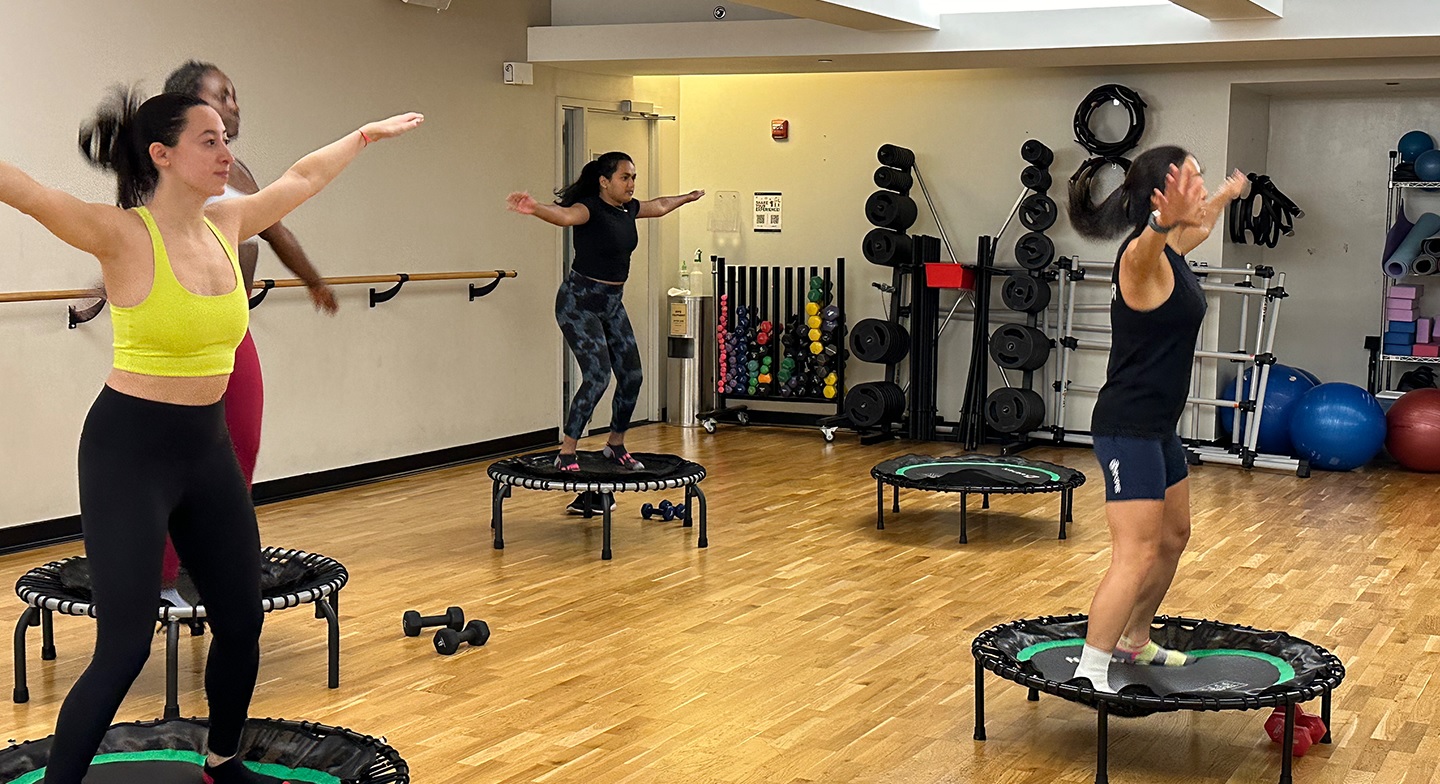
How to Create a Flexible Fitness Coaching Business That Supports Client Success

For decades, personal training ran on a rigid blueprint. Coaches traded hours for dollars during split shifts at 5 a.m. and 6 p.m., while clients locked themselves into two or three fixed appointments every week. The setup looked orderly on a calendar, yet it quietly set both sides up to struggle. The moment a client faced a busy quarter at work, a sick child, or ten days of business travel, missed sessions piled up, guilt crept in, and cancellations followed.
Modern fitness clients want guidance that fits inside real life rather than demanding they rearrange their entire schedule around a gym floor. At the same time, coaches want a business that generates steady income without requiring sixty hours of live floor time every week. Building a flexible fitness coaching business solves both problems at once. When flexibility is designed intentionally—backed by clear systems, smart service tiers, and firm boundaries—clients stay consistent far longer and coaches build careers that actually last.
Why Rigid Coaching Models Break Down Over Time
Traditional training packages assume that a client’s motivation, schedule, and recovery stay flat from January through December. Anyone who has coached real adults for more than a few months knows that rarely happens. Energy fluctuates with work deadlines, family obligations shift seasonally, and unexpected travel interrupts even the best intentions.
When a coaching model offers only one rigid path—such as mandatory 60-minute in-person workouts three times a week—clients start viewing fitness in all-or-nothing terms. If they cannot make their Tuesday session, they feel like the entire week is blown. Two disrupted weeks often turn into a month away from training, and eventually they drop out altogether.
Rigidity hurts the coach just as much. Relying exclusively on live, hourly sessions puts a hard ceiling on your income and ties every dollar directly to your physical presence. Take a week off for vacation or recover from a cold, and revenue drops to zero. Designing flexibility into your business model replaces that fragile arrangement with a resilient system that adapts to real-world disruptions instead of breaking under them.
Designing Service Tiers That Match Real Life
A flexible coaching business does not mean letting every client invent their own custom arrangement from scratch. Too many bespoke deals quickly create administrative chaos. Instead, build a small menu of structured service tiers that give clients genuine options as their needs and budgets evolve.
Hybrid Coaching Models
Hybrid coaching blends the personal connection of live training with the convenience of remote programming. Rather than meeting three times a week on the gym floor, a hybrid client might train with you in person or over live video once every two weeks for technique checks, mobility assessments, and heavier lifts. Between those live touchpoints, they follow a customized workout and habit plan through a coaching app and submit brief weekly check-ins.
This format delivers two major advantages. Clients gain the autonomy to train on their own schedule—at 6 a.m. in a home garage or during a lunch break near their office—while still getting hands-on accountability. For coaches, hybrid tiers dramatically expand client capacity without sacrificing coaching quality.
Asynchronous Online Coaching
Fully remote coaching removes geographic limits and eliminates calendar ping-pong altogether. Instead of matching time zones for live calls, you deliver customized training blocks, review uploaded lifting videos, and send personalized voice notes or short screen-recorded feedback each week.
For busy professionals, parents of young kids, and frequent travelers, asynchronous coaching often produces better adherence than live sessions. Clients can watch your form feedback over morning coffee, log their workouts whenever a window opens, and communicate honestly about roadblocks without needing to carve out an extra hour for a phone call.
Step-Down Maintenance Tiers
One of the fastest ways to leak long-term revenue is forcing clients into a binary choice: pay for full high-touch coaching or cancel completely. Clients who reach their initial goals, enter a hectic work season, or face temporary budget constraints often still want structure—they just need a lighter touch.
Creating a maintenance tier keeps them inside your ecosystem. A maintenance option might include monthly updated workouts and one brief check-in every two weeks at a lower price point. Clients protect the progress they worked hard to build, stay connected to your community, and frequently step back up to full coaching when they are ready to chase a new goal.
Building Adaptable Programming Systems Without Extra Hours
Many trainers hesitate to offer flexible programming because they imagine spending every Sunday night rewriting spreadsheets from scratch whenever a client announces a surprise business trip. True flexibility works the opposite way: you build modular systems upfront so adjustments take minutes rather than hours.
Start by organizing a clean exercise library grouped by movement pattern and available equipment. For every core movement—squat, hinge, horizontal push, vertical pull, and core stability—keep straightforward swaps ready for barbell, dumbbell, resistance band, and bodyweight setups. When a client messages that their gym is closed or they are stuck in a hotel with two light dumbbells, you already have a seamless alternative ready to drop in.
Equally helpful is attaching a minimum-effective-dose option to every client’s primary program. Alongside their standard 45- to 60-minute sessions, provide a pre-built 20-minute express version targeting the same main movement patterns. Teach clients from week one that choosing the express workout on a chaotic afternoon is not failure—it is smart consistency. Giving people an approved “Plan B” removes the shame spiral that causes missed days to snowball into missed months.
Streamlining Operations and Technology
Flexibility collapses quickly if your backend operations feel clunky. When clients have to check email for nutrition notes, text you for schedule changes, open a spreadsheet for workouts, and use another link for billing, friction takes over and engagement drops.
Consolidate your delivery into as few tools as possible. A reliable all-in-one coaching platform lets clients view workouts, watch demo videos, log weights, upload form clips, and message you in one central place. Automate the predictable administrative tasks—recurring monthly billing, automated intake questionnaires, digital liability waivers, and scheduled weekly check-in prompts—so nothing slips through the cracks when your roster grows.
Lean on short asynchronous videos to elevate the personal feel of a streamlined system. A two-minute video walking a client through their updated training block or breaking down their deadlift angle communicates warmth, clarity, and nuance far faster than a four-paragraph text message. Clients feel genuinely supported, and you save hours of typing every week.
Setting Boundaries That Keep Flexibility Sustainable
There is a crucial distinction between being flexible and being available around the clock. Coaches who advertise flexible support without defining expectations often trap themselves in a constant stream of 10 p.m. text messages, last-minute reschedules, and weekend nutrition emergencies. Burnout follows quickly, and exhausted coaches cannot serve anyone well.
Clear boundaries actually improve the client experience. When clients know exactly when and how to reach you, communication becomes calmer and more productive. Outline your operating standards plainly during onboarding:
-
Define specific response windows for messaging, such as replying within 24 business hours Monday through Friday.
-
Assign dedicated check-in days so clients build a predictable weekly reflection habit instead of messaging reactively.
-
Maintain firm reschedule policies for live sessions—such as a 24-hour notice rule—while offering a recorded workout alternative if an emergency pops up.
-
Keep all coaching communication inside your designated platform rather than scattering messages across personal texts and social media direct messages.
When you model healthy structure in your own business, clients respect your time and learn to bring that same steady rhythm to their training.
Onboarding and Proactive Check-Ins That Drive Retention
Even the smartest flexible coaching system falls flat if a client does not know how to use it. Your first two weeks with a new client set the tone for the next twelve months. During onboarding, look beyond basic fitness metrics like current weight or squat numbers. Ask practical questions about their real life: Which days of the week are consistently chaotic? How often do they travel? What caused previous workout plans to fall apart?
Using those answers to shape their initial schedule shows clients immediately that your program revolves around their reality, not an idealized textbook routine.
Once they are up and running, shift from reactive troubleshooting to proactive seasonal planning. At the start of each quarter—or two weeks before major holidays, summer travel, or predictable work crunches—initiate a brief planning check-in. Ask what their calendar looks like for the next four weeks and adjust training frequency or intensity in advance. Scaling a client intentionally from four workouts a week down to two during a hectic month keeps their identity as someone who trains intact, making it effortless to ramp back up once life settles.
Finally, broaden how you measure client success. If the only scoreboard you track is body weight or maximum barbell loads, clients feel discouraged whenever busy seasons force them into maintenance mode. Track adherence rates, energy levels, sleep consistency, daily step averages, and stress resilience alongside physical outcomes. Highlighting how a client stayed consistent through a demanding month of travel reinforces that fitness is a lifelong skill rather than a fragile twelve-week sprint.
A truly flexible fitness coaching business does not lower its standards to accommodate busy lives—it raises its design. By pairing structured service tiers, modular workout plans, streamlined systems, and calm professional boundaries, you create an environment where clients never have to choose between living their lives and taking care of their health. That alignment is what turns short-term sign-ups into lasting client transformations and a business you genuinely enjoy running.