Smart Ways Fitness Trainers Can Improve Their Coaching and Leadership Skills

Most fitness certifications do a solid job teaching anatomy, exercise selection, and program design. They walk new trainers through biomechanics, energy systems, and how to build a clean twelve-week progression on a spreadsheet. Then Monday morning arrives, a stressed-out client walks through the gym doors on four hours of sleep, and suddenly none of those textbook formulas tell you how to lead the next sixty minutes.
That gap is where good trainers separate themselves from forgettable ones. Technical knowledge gets you onto the gym floor, yet coaching and leadership skills determine whether clients stay, improve, and trust you with their health. Counting repetitions and writing clever workouts is easy to replicate—apps do both for a few dollars a month. Leading human beings through discomfort, inconsistency, and real-life obstacles is a craft that requires deliberate effort long after you pass your exam.
Shift From Giving Orders to Coaching Behavior
Early in their careers, many trainers fall into the habit of treating sessions like a lecture. They tell clients what to lift, what to eat, how many steps to hit, and when to stretch. When a client skips two workouts or falls off their nutrition plan over the weekend, the trainer responds by handing over more information or tightening the rules.
The problem is rarely a lack of knowledge. Most busy adults already know they should eat more protein, drink water, and sleep better. What they struggle with is translating those habits into messy, unpredictable weeks.
Real coaching starts with curiosity instead of correction. Rather than opening a check-in with “Did you stick to your meal plan?” try asking, “Which part of this week felt easiest to stay on track, and where did things get away from you?” Open-ended questions invite honest answers instead of guilt-ridden excuses. Once you understand the actual friction point—maybe late-night snacking happens because they skip lunch during back-to-back meetings—you can collaborate on a realistic adjustment they actually feel ownership over.
When clients help shape the plan, adherence rises naturally. You stop acting like a strict supervisor policing their choices and start operating as a trusted partner helping them solve problems.
Sharpen Your Communication and Cueing on the Floor
A brilliant exercise prescription loses most of its value if your client cannot feel or execute it cleanly. Great coaches are ruthless editors of their own words. They know exactly what to say, when to stay quiet, and how to adjust their delivery for the person standing in front of them.
Prioritize Short, External Cues
When a client’s squat or hinge looks awkward, the temptation is to launch into an anatomy breakdown: “Retract your scapulae, engage your glute medius, brace your transverse abdominis, and keep your tibia vertical.” By the time you finish talking, the client is frozen in overthinking and moving worse than before.
Stick to one cue per set and favor external cues that connect movement to the environment around them. Instead of saying “extend your hips and knees forcefully,” tell them to “push the floor away from you.” Rather than “depress your shoulder blades,” ask them to “put your shoulder blades in your back pockets” or “squeeze oranges under your armpits.” Simple, vivid imagery gives the brain a clear target without bogging down the movement.
Match Your Coaching to How Clients Learn
Not everyone processes feedback through words alone. Some clients copy what they see instantly; others need a physical reference point to understand where their body sits in space.
Develop a three-part toolkit: crisp visual demonstrations, concise verbal cues, and smart environmental constraints. If a client keeps cutting their squat depth short, placing a low box behind them to tap lightly teaches the right depth in two repetitions without a single lecture. If they round their upper back during a hinge, holding a lightweight PVC dowel along their spine gives immediate tactile feedback. Great leaders adapt their delivery to the learner rather than expecting every client to adapt to one rigid teaching style.
Lead Through Consistency, Standards, and Accountability
Leadership inside a gym rarely looks like dramatic halftime speeches. Most of the time, it shows up in quiet reliability. Clients watch how you carry yourself long before they listen to your advice.
Start by nailing the unglamorous fundamentals. Show up prepared before your client arrives, keep the training space organized, put your phone away during sessions, and start and end on time. When you treat a session like a professional appointment rather than a casual hangout, clients mirror that standard. They show up on time, respect cancellation policies, and take their own effort more seriously.
Healthy boundaries are an essential part of leadership. Trainers who constantly answer nutrition texts at 11 p.m. or waive missed-session policies out of fear of upsetting clients eventually burn out and grow resentful. Clear expectations protect both sides. Lay out communication hours, scheduling rules, and progress milestones during onboarding, then uphold them calmly and consistently.
Equally important is owning your missteps. If you load a bar slightly too heavy for a client’s current readiness or misread a movement progression, acknowledge it plainly and adjust without defensiveness. Admitting small errors demonstrates confidence, lowers tension, and shows clients that growth is a steady process of feedback rather than perfection.
Build Emotional Intelligence Into Your Programming
Every workout happens inside the context of a client’s broader life. A training session written on Sunday evening cannot predict that your Tuesday morning client spent three hours awake with a sick toddler or just wrapped up a stressful quarterly review at work.
Strong coaches spend the first three minutes of every session taking an honest temperature check. Pay attention to posture, tone of voice, and eye contact during the warm-up—not just what they say when you ask how they are doing. If someone looks drained and moves sluggishly through their first warm-up set, forcing the original high-intensity workout out of pride is poor leadership.
Auto-regulating a session on the fly is a mark of mastery. Swapping heavy barbell deadlifts for controlled dumbbell work, trimming one working set, or adding five minutes of restorative mobility work shows the client you are coaching the human being in front of you, not blindly worshipping a workout log. Ironically, clients who leave a scaled-back session feeling restored rather than crushed are far more likely to keep showing up—and far more likely to break personal records when their energy rebounds the following week.
Emotional intelligence also means keeping your ego out of the gym. Your job is not to prove how creative you are with complicated circus exercises or to make every client crawl out of the building drenched in sweat. Sometimes the smartest leadership call is keeping a straightforward, repeatable program in place because it is quietly delivering steady results.
Elevate Your Presence in Group and Team Settings
Even if you primarily work one-on-one, leadership demands grow quickly once you step into small-group training, lead fitness classes, or mentor newer coaches on staff.
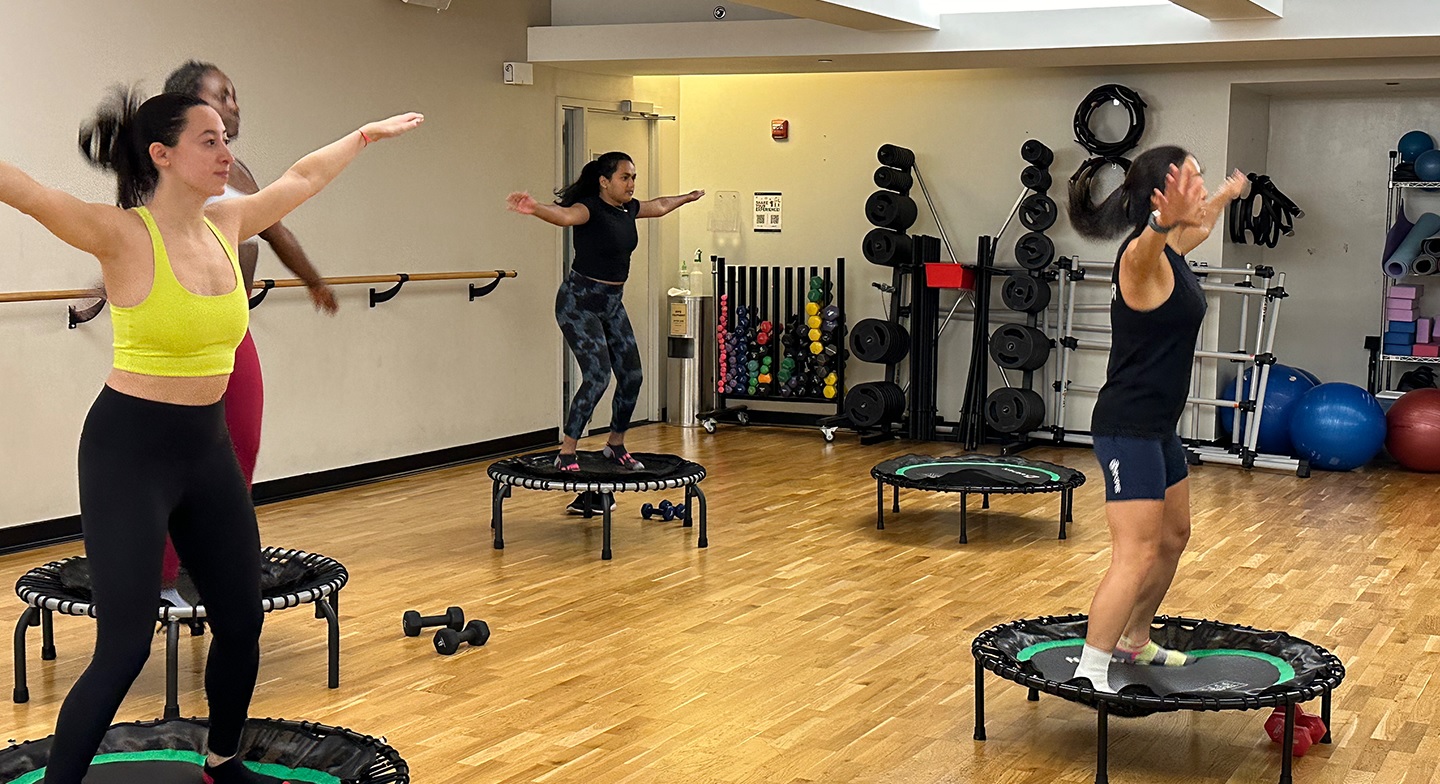
In a group environment, energy management becomes half the job. Your tone sets the ceiling for the room. Arrive with calm, genuine enthusiasm rather than forced hype—people can spot performative yelling immediately, and it wears thin fast. Move purposefully around the floor so every participant receives personal eye contact, their name used aloud, and at least one tailored piece of feedback or encouragement during the hour. Nobody should leave a group session feeling invisible.
If you manage or mentor junior trainers, avoid micromanaging their personalities. Teach clear coaching principles—safety standards, client onboarding structure, session flow—and then give them room to develop their own authentic voice. Hold brief weekly huddles to share wins, troubleshoot tricky client cases, and practice cueing together. Strong gym cultures are built when coaches learn openly from one another instead of guarding clients like territory.
Practice Coaching Deliberately Outside Paid Sessions
Trainers spend countless hours studying hypertrophy mechanics or chasing another specialty weekend course, yet few apply the same deliberate practice to their actual coaching craft. Improving leadership requires putting your habits under an honest microscope.
One of the fastest ways to level up is to record yourself coaching—with your client’s or class’s permission. Listening back to even ten minutes of audio from a live session is humbling and eye-opening. You immediately notice verbal crutches like repeating “good job” twenty times without saying what was actually good, talking nonstop through someone’s set, or rushing explanations during transitions. Fix one communication habit per week, and your clarity transforms within a single month.
Make time to shadow veteran coaches you respect, including those outside your exact niche. A strength trainer can learn enormous amounts about pacing and room command by watching a seasoned Pilates instructor, while a group fitness leader can sharpen biomechanical precision by observing a skilled physical therapist or powerlifting coach.
Finally, build a simple feedback loop with your clients every few months. Ask two direct questions: “What part of our coaching together has helped you the most?” and “What is one thing I could adjust to support you better?” Most clients appreciate being asked, and their answers reveal blind spots you would never uncover on your own.
At its core, great fitness coaching is never about being the loudest voice or the smartest technician in the room. It is about making people feel seen, capable, and steadily stronger—both under the bar and outside the gym. When you invest as much intention into how you listen, cue, adapt, and lead as you do into writing workouts, your impact lasts far longer than any twelve-week program.