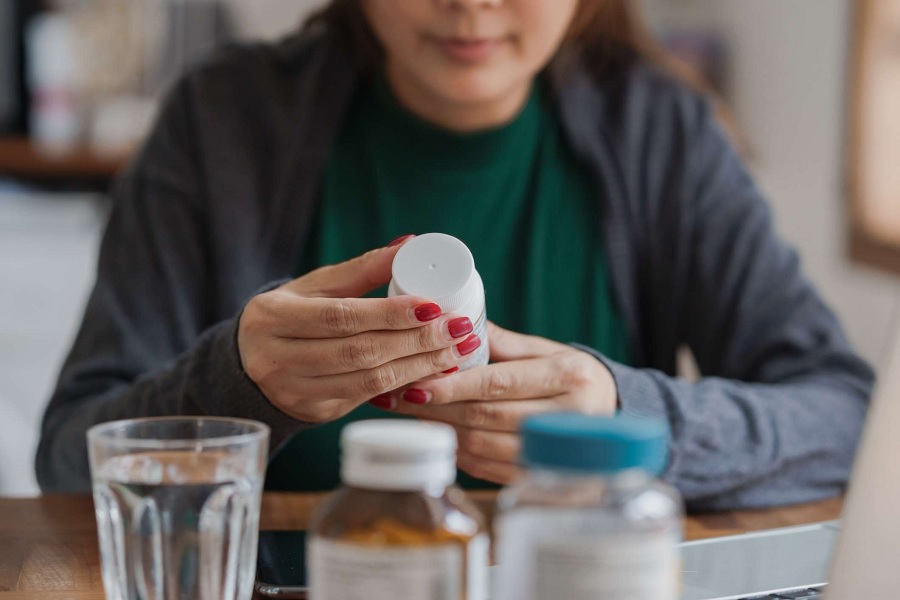
Sooner or later, everyone cleans out a kitchen pantry or bathroom cabinet and stumbles across a half-empty bottle of multivitamins, fish oil, or magnesium tucked behind the spices. You tilt the bottle toward the light, squint at the stamped date on the bottom, and realize it expired eight months ago. Tossing a thirty-dollar bottle straight into the trash feels wasteful, yet swallowing an expired capsule brings up an uncomfortable question: could those pills actually make you sick?
For the vast majority of dietary supplements, passing the expiration date does not trigger a sudden chemical transformation into something toxic. Most expired vitamins and minerals simply lose potency, gradually turning into an expensive placebo. Still, treating every outdated bottle as harmless is a mistake. Certain supplement formats genuinely spoil, oxidize, or harbor microbial growth once they pass their prime—and even a merely weakened vitamin can create real health problems if you rely on it to correct a genuine deficiency.
What Supplement Expiration Dates Actually Mean
Unlike prescription medications, dietary supplements in the United States are not legally required to carry an expiration date. When a brand chooses to print an expiration date or a “Best By” date on the label—which most reputable manufacturers do—that date represents a guarantee of potency and stability, not a strict safety cliff.
Reputable companies run stability testing to verify that a product still delivers 100 percent of the nutrient amounts listed on the Supplement Facts panel through the printed date, assuming the bottle stays sealed and stored under normal room conditions. In fact, manufacturers often add a calculated slight surplus of delicate nutrients during production so the product still meets its label claims two years down the road.
Once that date passes, the manufacturer can no longer guarantee that the capsule contains the stated dose. You might also spot an MFG stamp instead of an expiration date on some bottles. That stands for the manufacturing date, not the expiration date. As a general rule of thumb, dry tablets and capsules hold up for roughly two years from manufacturing, whereas delicate oils, gummies, and live probiotics have much shorter lifespans.
Which Supplements Simply Lose Potency Over Time
Chemical stability varies dramatically from one nutrient to the next. Understanding what is inside your bottle helps explain whether an old supplement is merely weaker or completely spent.
Water-soluble vitamins degrade the fastest. Vitamin C, thiamin, riboflavin, vitamin B6, vitamin B12, and folate are notoriously sensitive to air, heat, and moisture. Every time you unscrew the cap and let humid air rush into the bottle, gradual breakdown accelerates. A bottle of vitamin C that sat open for two years past its expiration date probably will not hurt your stomach, yet it may deliver only a fraction of the milligrams promised on the front label.
Fat-soluble vitamins—vitamins A, D, E, and K—generally hold onto their strength slightly longer than water-soluble vitamins, though they are far from indestructible. Vitamin A and vitamin E are vulnerable to oxidation when exposed to oxygen and light, which steadily reduces their biological activity.
Elemental minerals are the marathon runners of the supplement world. Calcium, magnesium, zinc, selenium, and iron are basic elements; they do not chemically decay in a cupboard. Even so, mineral supplements are rarely pure minerals sitting loose in a jar. They are bound to compounds like citrate or glycinate and pressed with binders, disintegrants, and coatings. Over several years, old tablets can dry out, harden, or break down unevenly, meaning your digestive tract may struggle to dissolve and absorb them properly.
There is also an indirect risk to taking weak, expired supplements that people often overlook. If you take a casual daily multivitamin as general nutritional insurance, losing 25 percent of its potency is mostly a waste of money. If you take folic acid during pregnancy, iron for diagnosed anemia, vitamin B12 on a strict vegan diet, or high-dose vitamin D for a confirmed deficiency, relying on an under-strength expired bottle leaves a real medical need untreated.
When Expired Supplements Can Actually Harm You
While standard dry multivitamins rarely become dangerous, several popular supplement categories genuinely degrade into substances you do not want in your body.
Fish Oil, Flaxseed, and Omega-3 Softgels
Oil-based supplements are the biggest exception to the “just less effective” rule. Polyunsaturated fatty acids like EPA and DHA are chemically fragile and react readily with oxygen, heat, and light. Over time, those oils oxidize and turn rancid.
Rancid fish oil does not just lose its heart and brain benefits; it breaks down into lipid peroxides and secondary oxidation compounds that can trigger nausea, acid reflux, and digestive upset—and may contribute to oxidative stress rather than fighting inflammation. Softgels mask spoilage well until you swallow them, which is why old omega-3 bottles deserve strict scrutiny. If a capsule bursts in your mouth or leaves a harsh, rotten-fish or paint-like burp afterward, the oil has already gone bad.
Gummies, Liquid Drops, and Chewables
Anything containing water, sugar, glycerin, or fruit juice has a vastly shorter safety window than a dry compressed tablet. Liquid vitamin D drops, herbal tinctures, elderberry syrups, and vitamin gummies rely on preservatives and controlled moisture levels to keep microbes away.
Once those preservatives weaken past the expiration date—or if a dropper repeatedly touches your mouth before going back into the bottle—mold, yeast, and bacteria can quietly multiply inside. Gummies are particularly tricky because their soft, sugary texture traps ambient humidity easily. Even before visible fuzz appears, expired gummies often turn rubbery, fuse into a single solid mass, and degrade unevenly across the bottle.
Probiotics and Herbal Powders
Probiotics contain live bacteria and yeasts measured in colony-forming units (CFUs). Because those organisms are alive, they naturally die off over time, especially outside cool, dry conditions. An expired probiotic usually just leaves you swallowing dead microbes that offer little benefit, though moisture creeping into an old bottle can introduce unwanted contaminants.
Dried herbal and botanical supplements—such as turmeric, ashwagandha, echinacea, or greens powders—are essentially dried agricultural crops. While properly dried plant powders last a long time in airtight containers, humidity turns them into a welcoming surface for mold and fungal toxins. If an old herbal powder smells musty or cakes together into damp lumps, throw it away immediately.
Clear Warning Signs a Bottle Belongs in the Trash
Even if a bottle is only a few months past its date—or technically still within date—your senses often catch spoilage faster than the printed stamp. Inspect any questionable supplement for these red flags before taking it:
-
Off odors: A sharp vinegar smell (common in degrading B-vitamins or aspirin-like compounds), a sour mustiness, or a harsh fishy, oily stench signals chemical breakdown or rancidity.
-
Visual changes: Dark speckling on light-colored tablets, yellowed or browned vitamin C, cloudy sediment in clear liquid drops, or any hint of powdery white or green mold means the product is compromised.
-
Texture shifts: Softgels that feel sticky, bloated, cracked, or glued together in clumps indicate heat damage and oil leakage. Tablets that crumble into dust or develop rough, chalky cracks have absorbed too much moisture.
-
Unusual taste: If a chewable, powder, or oil tastes noticeably bitter, metallic, or soapy compared to when you first opened it, do not finish the serving.
When you notice any of these signs, skip the debate and discard the bottle. Saving ten dollars is never worth an afternoon of stomach cramps or ingesting oxidized oils.
How Storage Habits Ruin Supplements Before Their Date
Ironically, a bottle stored poorly can go bad months before its printed expiration date, while a well-kept bottle often remains stable well past it. Most households accidentally store supplements in the two worst rooms in the house.
The bathroom medicine cabinet is the worst offender. Daily hot showers fill the room with warm steam that seeps past screw-top lids, swelling gelatin capsules, degrading B-vitamins, and encouraging clumping in mineral powders. The kitchen counter next to the stove, dishwasher, or a sunlit window creates a similar problem, baking delicate omega-3 oils and breaking down light-sensitive vitamins inside clear plastic jars.
Protect your supplements with a few simple adjustments:
-
Store bottles in a cool, dark, dry location, such as an interior hall closet, a bedroom drawer, or a pantry shelf well away from ovens and steam.
-
Leave the small desiccant packet inside the bottle—it is there specifically to absorb stray humidity each time you open the lid. (Remove the loose cotton ball after opening, however, because cotton pulls moisture into the top of the jar if your hands are damp.)
-
Tighten lids firmly right after pouring out a dose, and never pour capsules into a wet palm and dump the extras back into the bottle.
-
Refrigerate supplements only when the label instructs you to, such as certain live probiotics or liquid fish and flaxseed oils. Putting dry tablets in the fridge without needing to actually exposes them to condensation every time you pull the cold bottle into a warm kitchen.
How to Dispose of Expired Supplements Safely
Once you decide a bottle has reached the end of its run, avoid flushing pills or pouring liquid drops down the sink. Municipal wastewater systems do not filter out every concentrated chemical compound, and flushed supplements can end up in local waterways.
The safest everyday disposal method takes thirty seconds. Empty the expired pills, capsules, or powders out of their original bottle into a sealable plastic bag or empty container, and mix them with an unappealing household substance like used coffee grounds, dirt, or kitty litter. That keeps curious pets, toddlers, or anyone rifling through the trash from mistaking colorful gummies or shiny softgels for candy. Seal the container, drop it into your regular household garbage, and recycle the clean plastic or glass bottle. If you have a large stash of outdated supplements—especially iron pills, which are genuinely dangerous to young children and pets in accidental overdoses—many local pharmacies and community drug take-back kiosks accept them safely.
To avoid repeating the same cabinet purge next year, resist buying oversized warehouse-club jars of supplements you only take occasionally. Smaller 60- or 90-count bottles stay fresher, spend less time exposed to open air, and make it easy to finish every capsule while it is still at full strength.