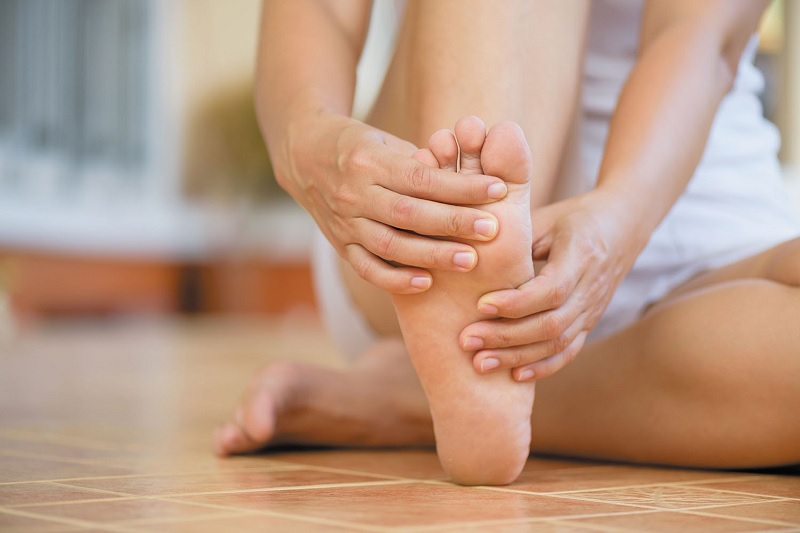
Most people spend far more time thinking about their skincare routine or their next dental cleaning than they ever spend thinking about their feet. It is easy to see why. Unless a heel starts stabbing on the first step out of bed or a tight dress shoe rubs a raw blister by lunchtime, your feet quietly do their job without asking for attention.
That silence can be misleading. Each foot contains 26 bones, 33 joints, and more than a hundred muscles, tendons, and ligaments working together to absorb thousands of pounds of cumulative impact every single day. Because your feet form the foundation of your entire skeleton, neglecting them rarely stays confined below the ankle. Stiff arches, cramped toes, or an awkward limp to favor a sore heel quietly ripple upward into sore knees, tight hips, and nagging lower back pain. Keeping your feet healthy does not require expensive gadgets or complicated routines—just a handful of practical habits practiced consistently.
Build a Simple Daily Hygiene Routine
Good foot hygiene goes beyond letting soapy shower water run over your toes on the way down the drain. Feet spend most of the day sealed inside socks and shoes, creating a warm, humid environment where bacteria and fungi thrive quickly if given the chance.
Take thirty extra seconds in the shower to wash your feet deliberately with mild soap, paying close attention to the soles and the tight spaces between your toes. What you do right after stepping out matters just as much. Dry your feet completely—especially between every toe—before putting on socks. Lingering dampness in the toe webbing is the single easiest way to invite athlete’s foot, peeling skin, and stubborn fungal nail infections.
Once your skin is dry, apply a thick, fragrance-free moisturizer to your heels, soles, and the tops of your feet. Creams containing urea, lactic acid, or ceramides work particularly well for softening thickened heel skin before dry patches split into painful cracks. Keep lotion out of the spaces between your toes, where trapped moisture can break down skin rather than protect it.
Toenail care deserves the same quiet precision. Trim your nails straight across rather than curving deeply down into the corners, and leave a thin rim of white nail edge intact. Cutting nails too short or rounding the sides encourages the edge to dig into the surrounding skin as it grows back, setting up painful ingrown toenails. Use clean, dedicated toenail clippers rather than tiny fingernail clippers, and gently smooth any sharp corners with an emery board instead of picking or tearing at rough edges.
Choose Footwear That Supports Natural Foot Mechanics
A surprising percentage of chronic foot issues—from bunions and pinched nerves to aching arches—trace directly back to shoes that look good on a retail shelf but fight the natural shape of a human foot. Upgrading how you buy, wear, and retire your footwear prevents more problems than any over-the-counter remedy ever could.
Prioritize Fit and Toe Room Over Style
Your feet naturally swell slightly over the course of the day as gravity pulls fluid downward and soft tissues bear weight. For that reason, shop for shoes in the late afternoon or evening, when your feet are at their largest. Bring the exact type of socks you plan to wear with those shoes, and always measure both feet while standing. Most adults have one foot that is slightly longer or wider than the other, and you should always fit your shoes to the larger foot.
When trying on a pair, check two spots immediately. First, leave roughly a thumb’s width of space between your longest toe and the front tip of the shoe so your toes never slam into the end when walking downhill. Second, test the width of the toe box. Your toes should be able to wiggle and spread comfortably without pressing against one another. Narrow, pointed shoes and rigid high heels crowd the forefoot, squeezing delicate nerves and gradually pushing the big toe joint out of alignment. If a shoe feels tight in the store, leave it on the rack—good shoes should feel comfortable right away, not require weeks of blisters to break in.
Rotate Your Shoes and Replace Them on Schedule
Wearing the exact same pair of sneakers or work shoes seven days a week wears down both the shoes and your feet. Every foot produces noticeable perspiration throughout the day, and shoe linings need roughly 24 hours to dry completely. Alternating between at least two pairs gives moisture time to evaporate—cutting down odor and fungal growth—while allowing compressed foam midsoles to rebound between wears.
Even well-rotated athletic and walking shoes have a finite lifespan. Most running and walking shoes lose their shock-absorbing cushioning after 300 to 500 miles, even if the fabric upper still looks clean. Check your outsoles periodically. If the rubber tread is worn smooth on one edge, the midsole looks deeply creased, or the back heel counter collapses easily when pressed, it is time for a fresh pair.
Do Not Overlook Your Socks
Socks act as the friction barrier between your skin and your shoes, yet many people grab cheap all-cotton packs without a second thought. Pure cotton absorbs sweat readily and then holds that dampness right against your skin, softening the outer layer and making blisters far more likely. Switching to merino wool or moisture-wicking synthetic blends pulls sweat away from the foot, regulates temperature, and reduces rubbing during long walks or workouts. If your feet sweat heavily during the day, packing a spare pair of clean socks to swap at midday makes an immediate difference in comfort.
Keep Your Foot and Ankle Muscles Strong and Flexible
Modern footwear cushions hard concrete floors effectively, yet relying exclusively on stiff, heavily cushioned shoes can also allow the small stabilizing muscles inside your feet to grow weak over time. At the same time, sitting at a desk for hours shortens the calf muscles and stiffens the Achilles tendon, creating excess tension that pulls directly on the bottom of your heel.
Dedicating five minutes a few evenings a week to simple mobility and strengthening work keeps your feet resilient:
-
Calf stretches: Stand facing a wall with one foot stepped back, keeping your back heel flat on the floor and leaning gently forward until you feel a steady stretch along the back of your lower leg. Hold for 30 seconds per side with the back knee straight, then repeat with a slight bend in the back knee to target the deeper soleus muscle.
-
Arch release: While seated, place a tennis ball or lacrosse ball beneath the arch of your bare foot and roll slowly from the ball of your foot toward your heel for one minute per side. Use gentle pressure—this should feel like a relieving massage, never sharp pain.
-
Toe splaying and towel scrunches: Practice spreading all five toes wide apart for five seconds at a time, then lay a small hand towel flat on the floor and use your toes to scrunch the fabric toward your heel. Both drills wake up the intrinsic muscles supporting your arch.
If you plan to increase your daily walking mileage, start a new running program, or transition to less structured shoes, build up gradually. Tendons and ligaments adapt far more slowly than cardiovascular fitness. Jumping suddenly from three thousand daily steps to twelve thousand—or spending a full weekend sightseeing in flat, flimsy sandals—is a classic recipe for overuse injuries.
Prevent the Most Common Everyday Foot Problems
Most nuisance foot conditions are far easier to prevent than they are to cure once they settle in. A few targeted precautions cut your risk dramatically.
To guard against plantar fasciitis—the sharp heel pain that often strikes on your very first steps out of bed—avoid walking barefoot for long stretches on hard tile, hardwood, or concrete floors around the house. Keeping a pair of cushioned, supportive recovery slides or slippers beside your bed protects your arches while making breakfast or standing at the kitchen counter.
To prevent fungal infections and plantar warts, never walk barefoot in shared damp spaces. Pack lightweight shower sandals whenever you use gym locker rooms, public pool decks, or hotel bathrooms. Fungal spores and viruses linger easily on wet tile and enter through microscopic cracks in the skin.
When you notice a hot spot forming on your heel or toe during a walk, address it early. Stopping to cover a red, irritated area with a breathable blister bandage or moleskin prevents a full fluid-filled blister from forming. If you develop thick calluses or corns, soak your feet briefly in warm water and use a gentle pumice stone after bathing rather than hacking at hard skin with razor blades or medicated acid pads, which frequently burn healthy surrounding tissue.
Know When to Call a Professional
Everyday soreness after a long day on your feet usually eases up with rest, gentle stretching, and better shoes. Certain warning signs, however, deserve an evaluation from a podiatrist or primary care physician rather than more home experimentation.
Make an appointment if you notice heel, arch, or forefoot pain that lasts longer than two weeks, persistent swelling in one foot or ankle, spreading redness or pus around a toenail, numbness or burning sensations, or visible changes in the shape of your arch or toes. Catching issues like stress fractures, tendonitis, or early bunions promptly often resolves them with conservative measures like custom orthotics or physical therapy instead of lengthy downtime.
People living with diabetes, neuropathy, or poor leg circulation need an extra layer of vigilance. Reduced nerve sensation can mask a small pebble in a shoe, a hot bath burn, or an unnoticed blister until an infection sets in. Inspect the tops, bottoms, and spaces between your toes every single evening—using a small hand mirror if bending is difficult—never walk barefoot indoors or outdoors, and let a foot specialist handle stubborn calluses or thickened toenails safely.
Your feet are built to carry you through decades of daily errands, weekend hikes, and travel without constant complaint, provided you give them reasonable care along the way. Drying thoroughly after a shower, choosing shoes that leave your toes room to work, stretching tight calves, and respecting early signs of irritation take only minutes out of your week. Treat your feet like the hardworking foundation they are, and every step you take will feel noticeably steadier and more comfortable.